01 / Roundup
The best nano tank heaters
Nano heaters ranked on published wattage, rated capacity and maximum lift over room temperature - the three figures you need, and the three most brands do not print.
A 5-gallon in a 68-degree room needs 15.1 watts to hold 78. Nothing is sold at 15 watts, so the answer is a 25. Here is where that sum comes from.
This is the hub the site was really built around, because it is the one where everybody publishes the same rule of thumb and nobody publishes the working. You will read “three to five watts per gallon” on every aquarium site there is. Nobody tells you which end of that range applies to your room, why a 25W heater is rated for six gallons and a 50W for fifteen when that is not a straight line, or what to do when your answer falls between two sizes that exist.
So here is the whole thing, in public. 5 US gal rated, less 15% for substrate and fill line, is 4.3 gal of water. A 78F target minus a coldest-room 68F is a 10F lift. 4.3 x 0.35 x 10 = 15.1W required. Nothing is sold at 15.1W, so the answer is the 25W.
The 0.35 in that sum is not folklore. It is read off Fluval’s own published P Series ratings. Fluval rates each heater to a tank capacity, and separately publishes that a lift of more than 12°F over ambient room temperature means you need additional heating capacity. That makes every rating a triple - watts, gallons, and a maximum delta:
We use 0.35, the most conservative of the three, because undersizing a heater is the failure that kills fish and oversizing one only makes it cycle more often. The full method page shows the derivation, the assumptions and the table for every common tank size and room temperature.
For a 5-gallon betta tank in a house that stays above about 64°F: a 25W submersible heater. For a 3-gallon in a warm room: 10W. For a 10-gallon: 50W. Those three answers cover the overwhelming majority of desk tanks in the United States, and all three come straight out of the sum above rather than out of a rule of thumb that happens to be roughly right.
Preset heaters hold a fixed temperature, usually somewhere between 76 and 78°F, with no dial. That is the correct temperature for a betta, so the lack of a dial is not the drawback it sounds like - right up until you need to raise the tank for a sick fish or drop it in a heatwave.
Adjustable heaters give you a dial. The dial is also the part that drifts, and a cheap adjustable heater set to 78 that actually holds 82 is worse than a preset that honestly holds 76. If you buy adjustable, you are buying a separate thermometer as well - and you should own one either way.
Controller heaters put the thermostat outside the tank, on a probe. They are the accurate option and they cost two or three times as much. In a nano tank the case for one is genuinely weaker than in a big tank, because a 5-gallon has so little thermal mass that the failure mode you care about is not drift, it is the heater sticking on.
The one arrangement we would avoid entirely is a heater with no visible indicator light. In a small tank you want to be able to glance across the room and see that it is cycling.
Sizing for the average room, not the coldest one. A heater that holds 78°F on a mild evening and gives up at 3am in January has not done its job, and the fish spends the winter at 73 getting slowly sicker. Every figure on this site is computed against the lowest temperature your room actually reaches - which, for most American houses, Aquarium Co-Op puts around 67 to 69°F.
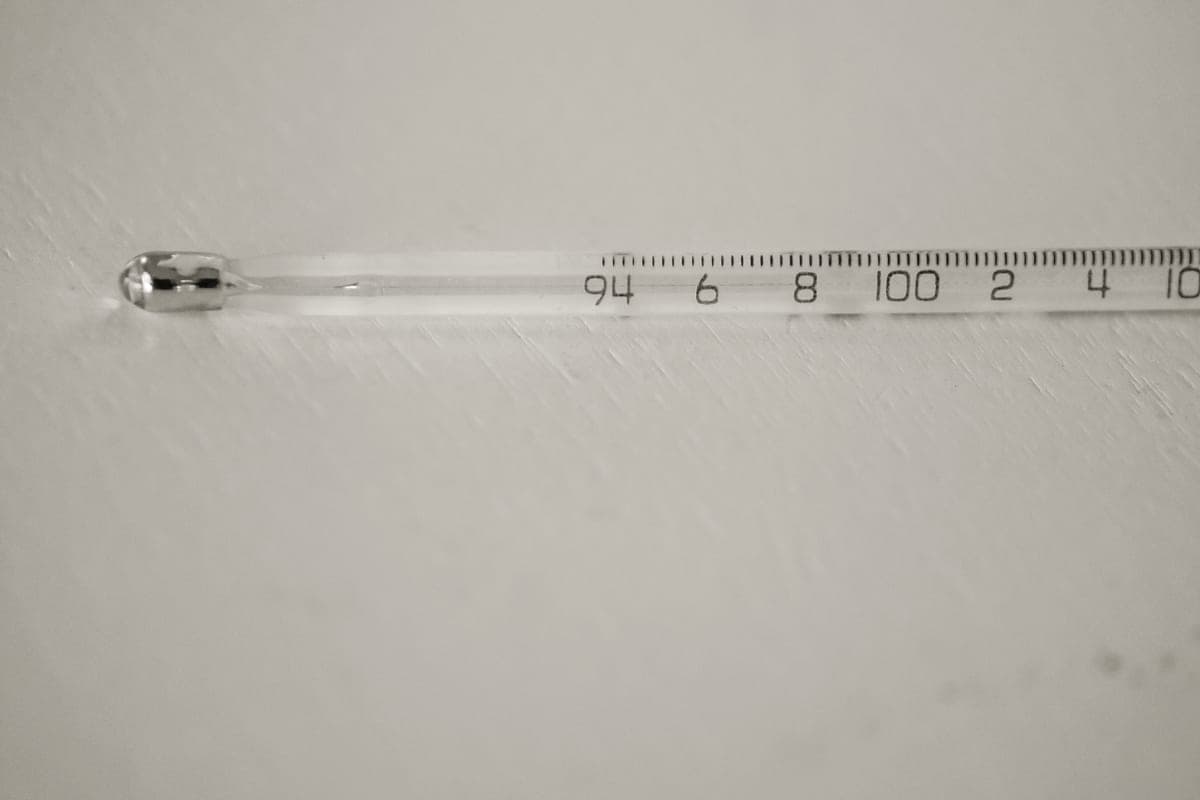
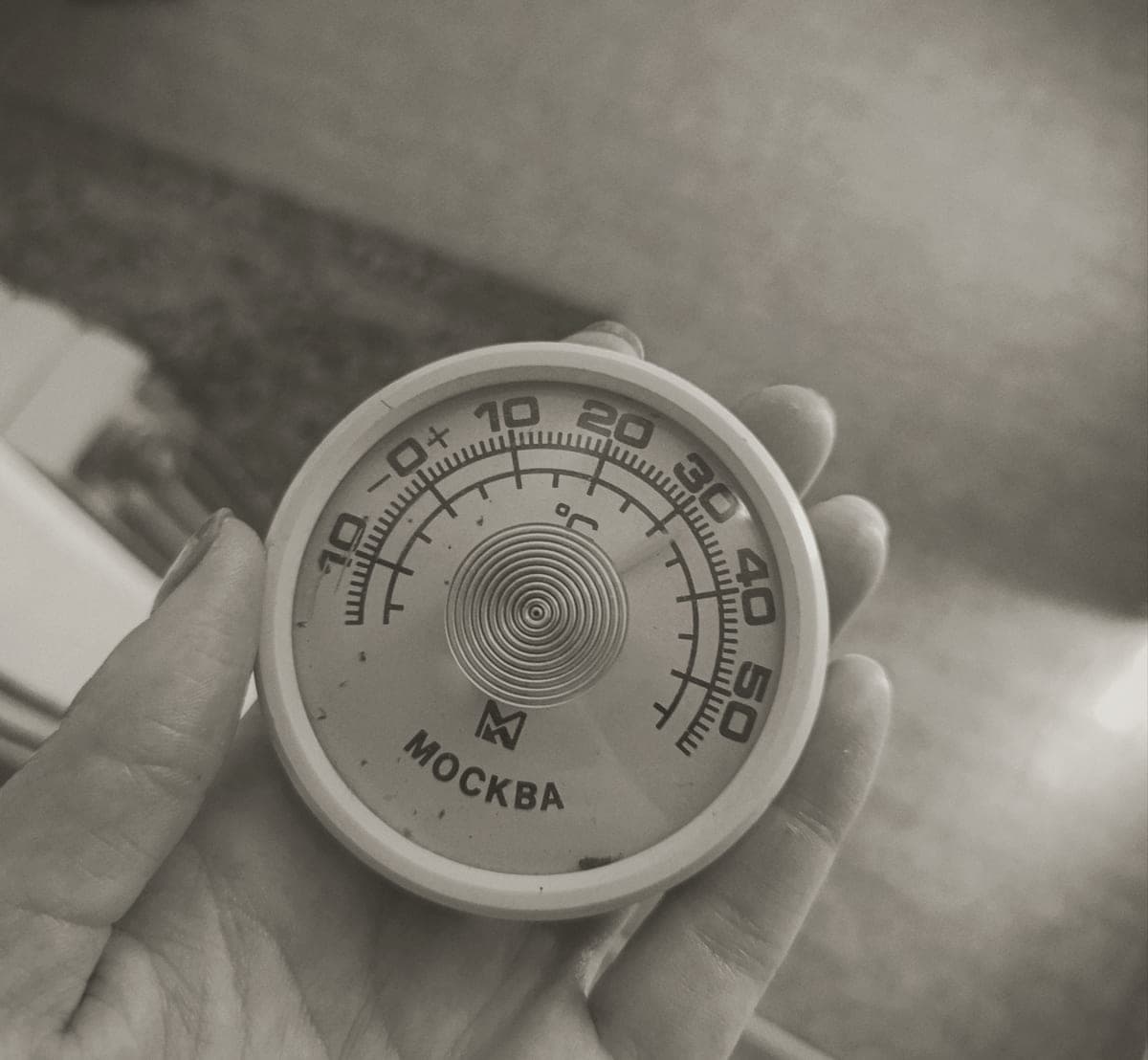
The second mistake is trusting the heater’s own setting. Buy a thermometer. A five-dollar glass one on the opposite end of the tank from the heater will tell you more about your tank than the dial ever will.
It is the only nano heater we found that publishes a wattage, a rated capacity AND a maximum lift over room temperature - the three figures you need to size anything. Twenty-five watts rated to six gallons is the right answer for a 5-gallon betta tank in a normally heated room.
Skip it if: You want to run a degree cooler in summer or warmer for a sick fish. This is preset; buy the adjustable if you want a dial.
| Tank (rated) | Coldest room | Watts required | Buy |
|---|---|---|---|
| 3 US gal | 72°F | 5.5W | 10W |
| 3 US gal | 68°F | 9.1W | 10W |
| 3 US gal | 64°F | 12.7W | 25W (past Fluval's 12°F lift note - see below) |
| 5 US gal | 72°F | 9W | 10W |
| 5 US gal | 68°F | 15.1W | 25W |
| 5 US gal | 64°F | 21.1W | 25W (past Fluval's 12°F lift note - see below) |
| 10 US gal | 72°F | 17.8W | 25W |
| 10 US gal | 68°F | 29.7W | 50W |
| 10 US gal | 64°F | 41.6W | 50W (past Fluval's 12°F lift note - see below) |
Where a row is flagged, the lift you are asking for exceeds the 12°F Fluval publishes as the point at which one heater is no longer enough. The recommendation still stands - a 25W in a 5-gallon at 64°F clears the arithmetic - but you should expect the heater to run close to continuously, and you should insulate the back of the tank or warm the room instead.
Whether a given heater’s thermostat holds calibration after a year, or which brand sticks on most often. Those are the questions that decide whether a heater is any good, they can only be answered by running a lot of heaters for a long time, and we have not done that. Anybody who tells you otherwise without publishing their method is selling you their guess.
What we will tell you is what each manufacturer is prepared to put in writing, and what their own numbers imply when you do the division. That turns out to be more than most sites publish and all of it is checkable.
Nano heaters ranked on published wattage, rated capacity and maximum lift over room temperature - the three figures you need, and the three most brands do not print.
Worked for the most common betta tank there is: 4.25 gallons of real water, a 10-degree lift, 15.1 watts required, and the 25W that is the only buyable answer.
Three gallons is where oversizing stops being harmless. The sum, the 10W that satisfies it, and the honest note that a 3-gallon is under-sized for a betta anyway.
The dial is also the part that drifts. When a preset heater is the right call, when it is not, and why the answer changes with tank size.
The full derivation: where the watts-per-gallon-per-degree constant comes from, what we assume about substrate, and a table for every common tank size and room temperature.
Bettas prefer around 80F. American rooms sit at 67-69F. That 11-degree gap is the whole answer, and it explains what a cold betta actually looks like.
The range, what actually goes wrong above and below it, why we target 78F specifically, and how fast a nano tank moves when the room does.
A nano tank is one system, not six purchases. Volume sets the wattage, the wattage sets the heater, the heater and the filter between them set what you can stock, and the plants decide whether any of it stays stable.