01 / Comparison
Betta versus guppy
Why male guppies and bettas are a bad pairing, how the two species compare as a first fish, and which one a nano tank actually suits.
Every betta tank mate article you have read opens with a list. The list is the last thing that matters. At 5 gallons the answer is invertebrates or nothing, and your betta is fine alone.
This is the part of the hobby where the internet is least useful, because the question people search - what fish can live with a betta - has an answer that depends almost entirely on a number they did not mention. So we are going to state the threshold before the list, every time, on every page in this hub.
At 5 gallons: invertebrates only. A nerite snail, or a couple of Amano shrimp, and even those are not guaranteed. No fish. Not a single corydoras, not one otocinclus, not three neon tetras.
At 10 gallons: fish tank mates become possible. Possible, not certain - a species that works in most tanks will still be killed in yours if your betta is one of the individuals that will not tolerate anything.
At 20 gallons: you have a community tank that contains a betta, which is a completely different and much easier proposition.
And the sentence that costs us money to write: a betta needs no tank mates at all. It is a solitary, territorial fish that does not shoal, does not pair-bond, and shows no sign of benefiting from company. Tank mates are something you want. That is a perfectly good reason to want them, but it should be an honest one.
Three separate mechanisms, all of which scale with water:
Territory. A betta patrols. In 4.3 gallons of actual water there is nowhere for a second animal to be that is not inside the betta’s territory. At ten gallons there starts to be a far end.
Line of sight. Aggression in this species is largely triggered by seeing something. Volume buys you the ability to break sight lines with planting and hardscape, which is why a heavily planted ten-gallon works when a bare one does not.
Bioload. Every animal you add produces ammonia into a fixed volume of water. Doubling the stock in a 5-gallon is a far bigger change to water chemistry than doubling it in a 20, and the fish that dies of that is usually not the one you added.
At five gallons, a single nerite snail is the safest addition there is: armoured, slow, and no threat to anybody. Amano shrimp work more often than they fail, but they are betta-sized snacks and you need dense cover for them.
At ten gallons and up, the species that work are the ones that are neither long-finned nor brightly colored - a betta attacks what looks like a rival betta - and that occupy a different part of the tank. Bottom-dwellers in a group, or a small shoal that stays mid-water and does not trail fins.
The species that reliably do not work, at any volume: male guppies (long fins, bright color - they read as rival bettas), any fin-nipper, and any second betta of either sex outside a properly managed setup.
Adding the tank mate before the tank is cycled, and adding it to a tank that has no cover. Cover is not decoration. In a stocked betta tank it is the mechanism that makes the stocking work.
The cheapest honest route to a betta community is not a tank mate, it is a bigger tank. At sixteen gallons stocking stops being a gamble and starts being a plan, and this is the same rear-chamber design as the Spec V scaled up.
Skip it if: The tank has to fit a desk. This is a 36-inch-wide piece of furniture's worth of tank once you allow for the stand and the maintenance clearance.
That a species is guaranteed. Individual bettas vary enormously in temperament and there is no way to know which one you have until you try - which means every stocking decision needs a plan for it not working. Before you add anything, know where the animal goes if the betta will not accept it. A spare cycled tank, a bucket with a sponge filter, a friend who will take it. Without that plan you are not stocking a tank, you are gambling with something else’s life.
We link to equipment. We do not link to livestock, and we would not even if Amazon sold it, because a live animal shipped to a stranger on the strength of an affiliate link is not something we want a commission from. Buy fish and shrimp from a local shop where you can look at them first, or from a specialist breeder who will talk to you about your tank before taking your money.
This does mean the stocking hub is the least profitable part of the site. It is also the part most likely to stop somebody killing an animal, which is the trade we are happy to make. How this site is funded.
Why male guppies and bettas are a bad pairing, how the two species compare as a first fish, and which one a nano tank actually suits.
The volume threshold stated before the species list: invertebrates only at 5 gallons, fish from 10, and the honest fact that a betta needs no company at all.
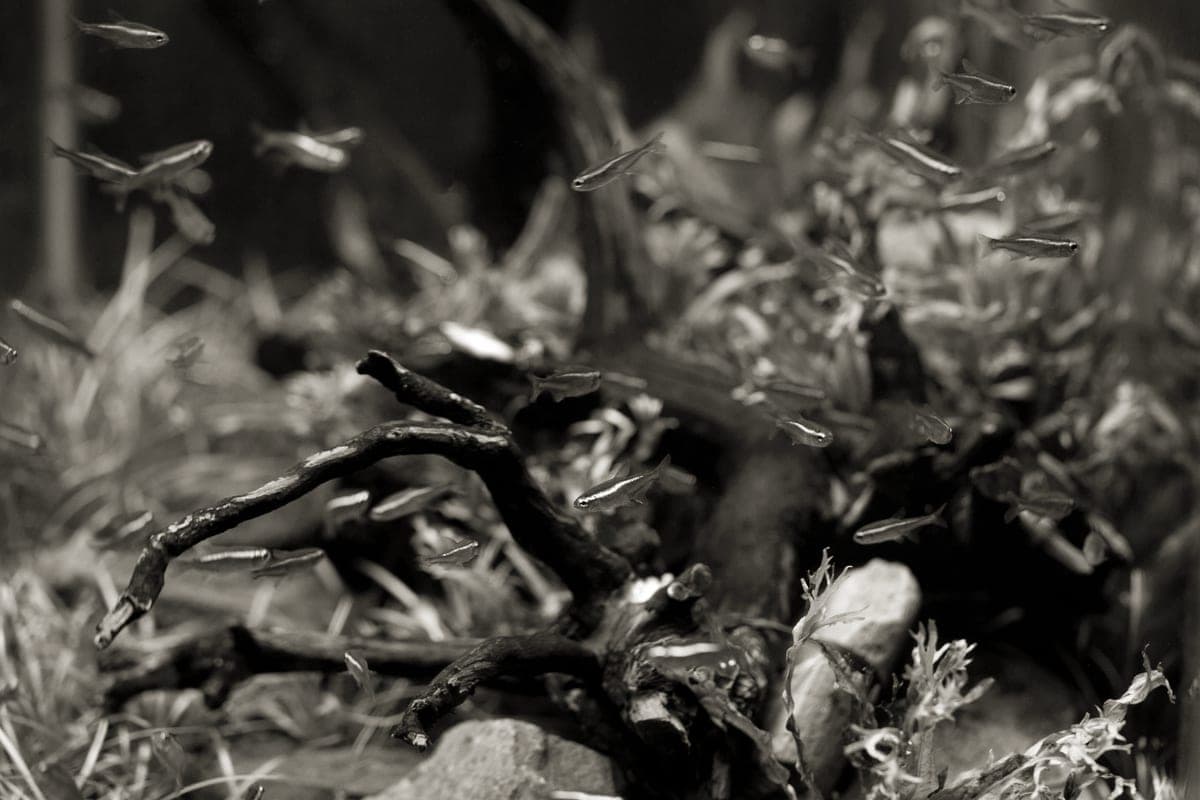
Tank mates arranged by required volume rather than by species, with what disqualifies the popular recommendations that keep appearing on five-gallon lists.
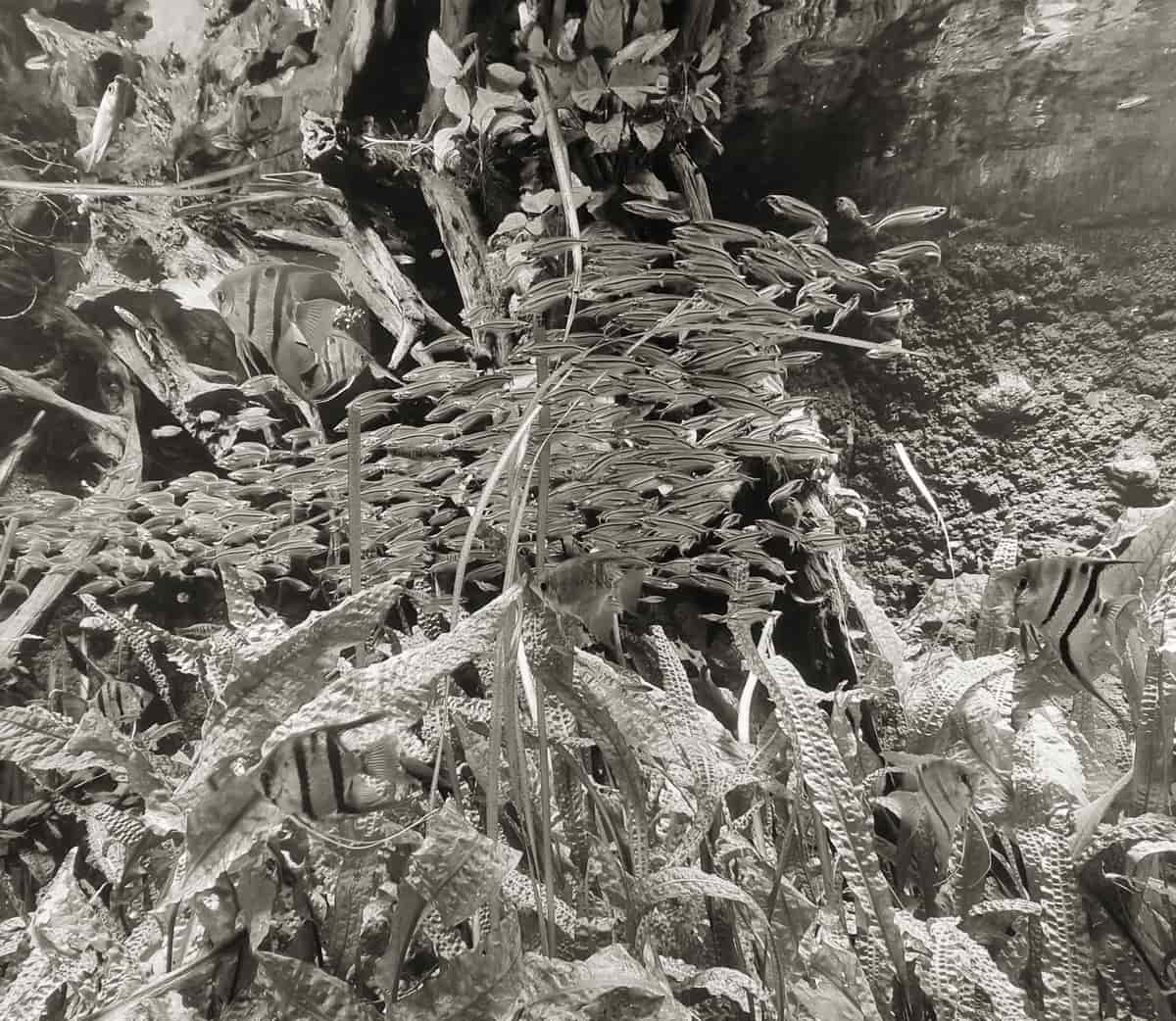
Nano fish judged on adult size times shoal size - the calculation that explains why most of them do not fit a nano tank, and which ones genuinely do.
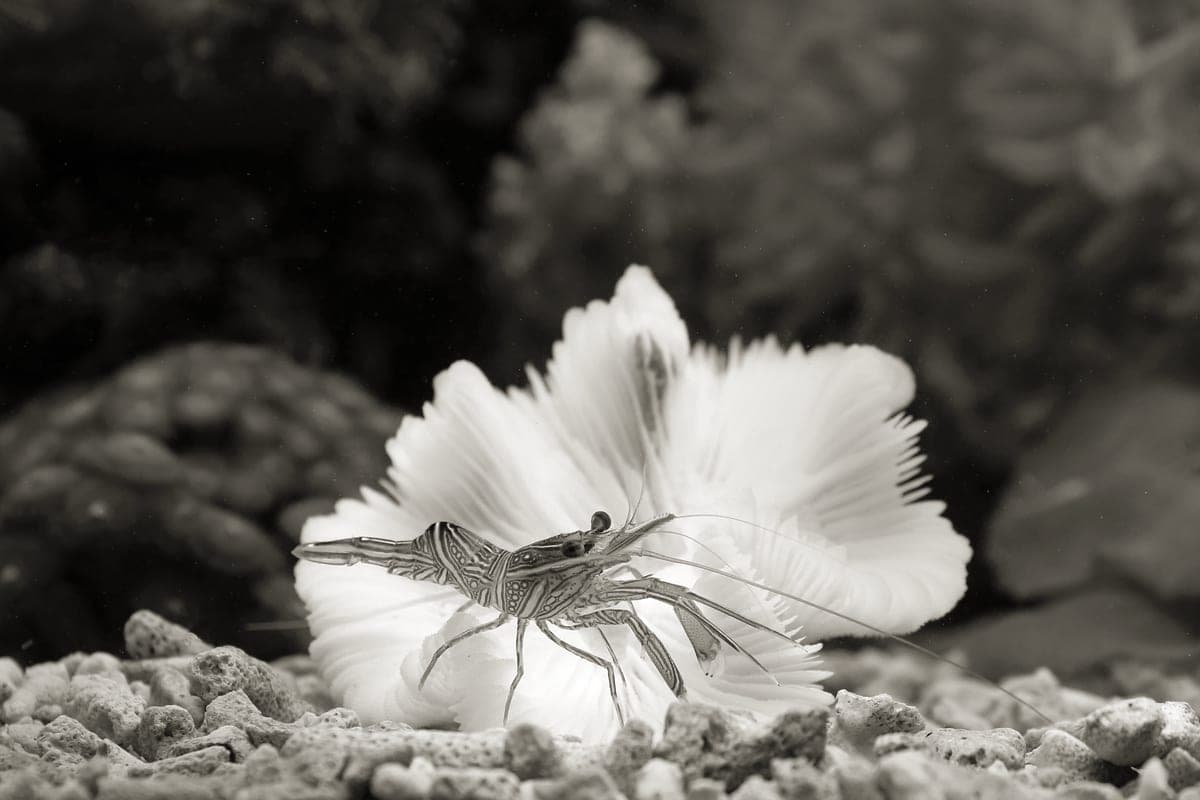
The complete honest answer for the most common betta tank size: two invertebrate options, dense cover, and why every fish suggestion at this volume fails.
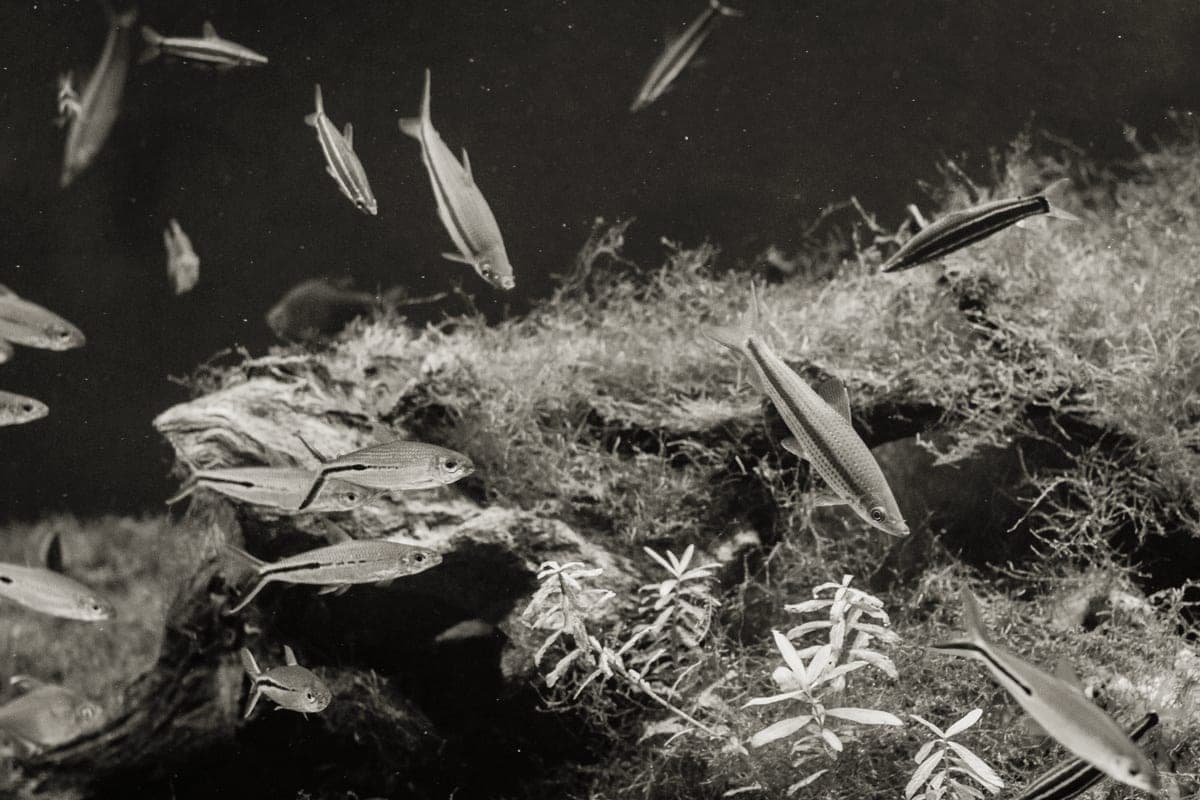
The volume where fish tank mates start to work: the four selection criteria, the bioload arithmetic, and the exit plan that makes it responsible rather than a gamble.
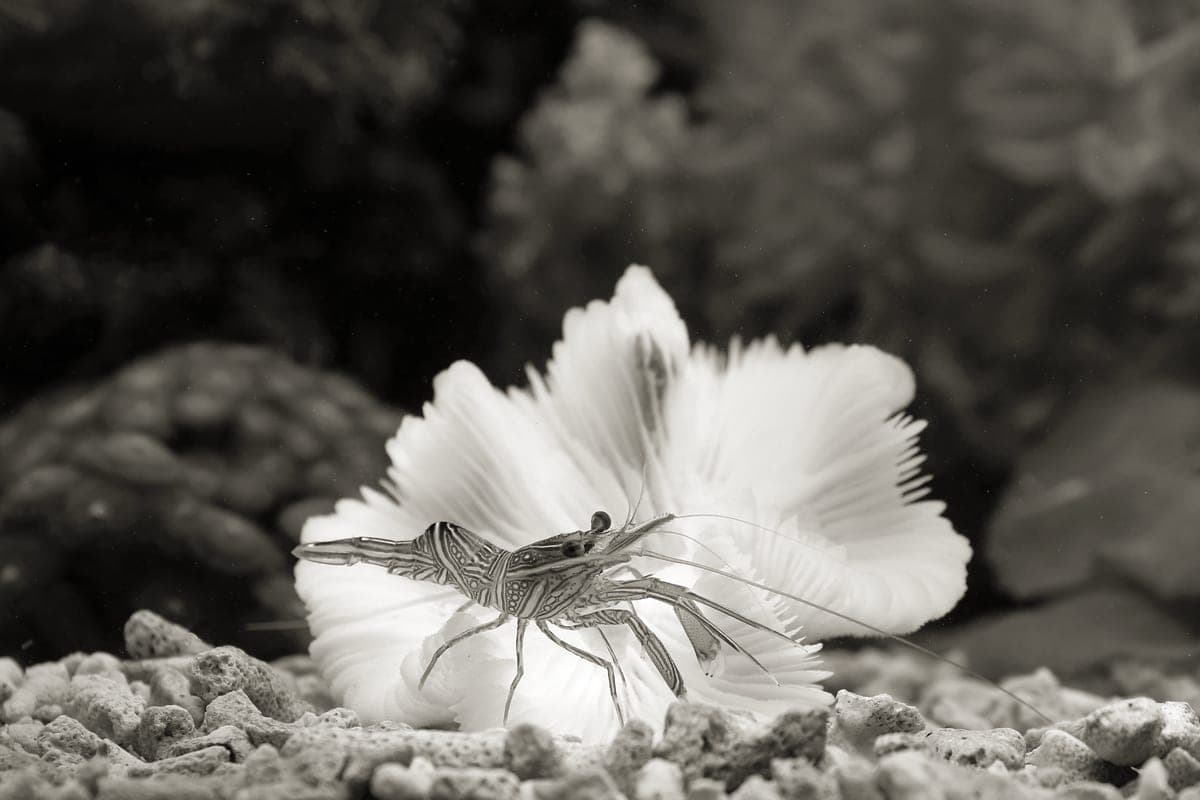
Which shrimp survive a betta and which become a food supply, the cover requirement that is not optional, and the impeller problem people forget about.
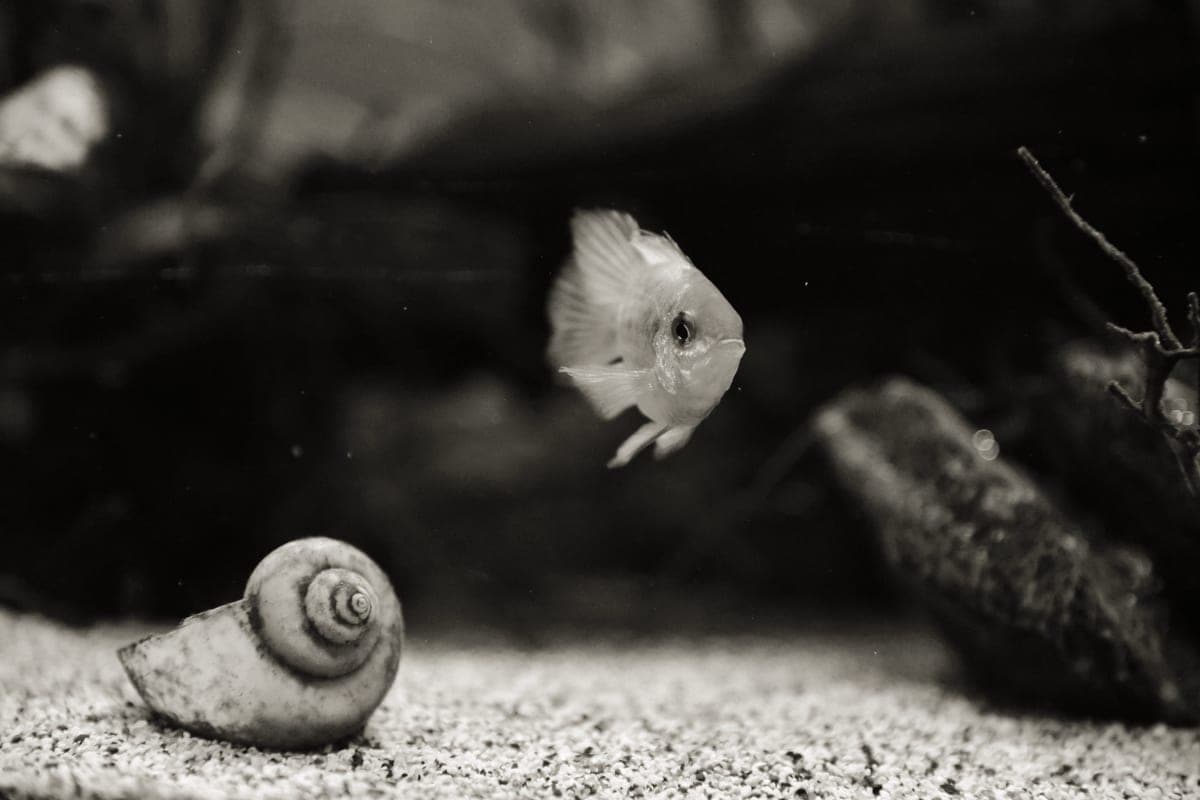
Which snails suit a betta tank, which will take it over, and the calcium requirement that decides whether a snail's shell survives its stay.
A nano tank is one system, not six purchases. Volume sets the wattage, the wattage sets the heater, the heater and the filter between them set what you can stock, and the plants decide whether any of it stays stable.