Betta water temperature, and what happens at each end
The commonly published range is 76 to 82. We size to 78, and the reason is that a heater running flat out has nowhere left to go.
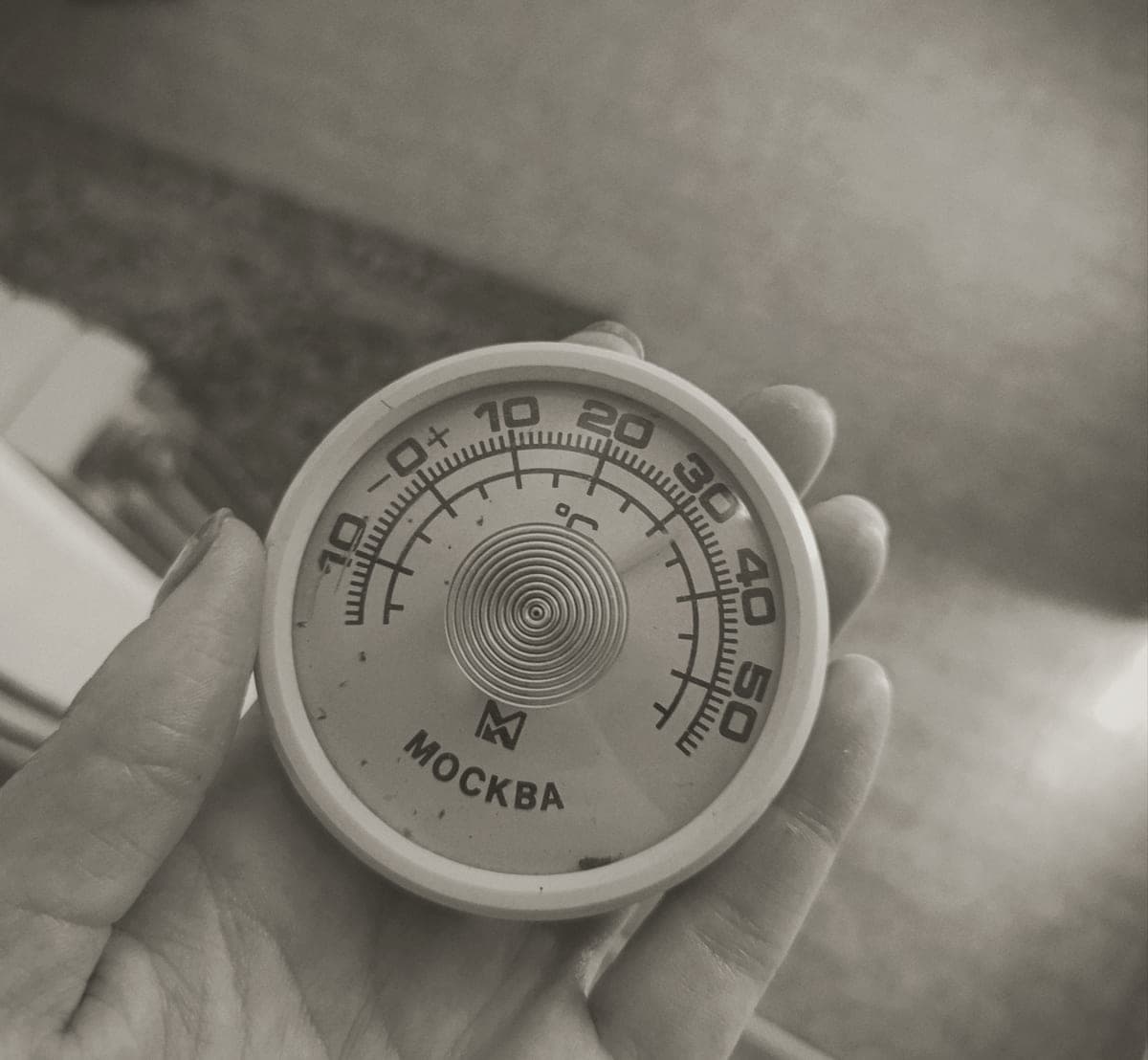
The range
| Temperature | What happens |
|---|---|
| Below 70°F | Serious stress. Immune function suppressed, digestion close to stalled, fish largely immobile. Survivable for a while, damaging throughout. |
| 70-75°F | Lethargic, eating less, color dulling. This is where most unheated American betta tanks sit, and where most of the “my betta is just lazy” reports come from. |
| 76-82°F | The keeping range in common use. Active, feeding, normal color. |
| Around 80°F | The preference Aquarium Co-Op publishes. Most active, best appetite. |
| Above 84°F | Metabolism accelerates, dissolved oxygen falls, the fish ages faster. Not immediately dangerous, not something to aim for. |
| Above 88°F | Genuine risk. Oxygen is low enough to matter and the fish will be at the surface constantly. |
Why we size to 78, not 80
Everything on this site is sized to hold 78°F rather than the 80 that bettas apparently prefer, and the reason is headroom in the wrong direction.
A heater sized to hold 80°F in your coldest room is running at or near its limit whenever the room is cold. It has nothing in reserve. Sized to 78, the same heater has a couple of degrees of margin, so a cold snap or a draft costs you a degree instead of five. Seventy-eight is inside the range everyone publishes, and the fish will not know the difference between 78 and 80. Your heater will.
If your room is warm and your heater is comfortable, set it to 79 or 80 by all means. Just do not size for it.
Stability matters more than the number
A tank steady at 76°F is better for a betta than one that swings between 74 and 82 every day. Temperature swings are what suppress immune function; a slightly cool tank that never moves is a much smaller problem than a warm one that does.
This is also the real argument for volume. A rated 5-gallon holds about 4.3 gallons of water, which is not much thermal mass. Ten gallons moves half as fast for the same heat loss. When people say a bigger tank is more forgiving, this is a large part of what they mean.
How to actually measure it
Not with a stick-on strip. Liquid crystal strips on the outside of the glass read a blend of the water and the room, and in a heated room they read high. They are better than nothing and worse than three dollars would buy you.
A glass alcohol thermometer in the water, at the opposite end of the tank from the heater, is accurate, cheap and has no batteries. That placement is deliberate: you want to know the temperature of the coldest water in the tank, not the water six inches from the heat source.
A digital probe if you want a reading you can see from across the room, which genuinely helps you notice a problem early.
Read it whenever you feed. That habit catches a stuck-on heater within a day, and a day is usually survivable.
Summer is a real problem too
A nano tank in a room that hits the high eighties will follow it, and there is no thermostat in the world that makes water colder. The measures that work, in order of how much they buy you: increase surface agitation so the tank holds more oxygen; float a frozen bottle of water in it for an hour at a time; run a small fan across the surface, which cools by evaporation and can pull the water two or three degrees below the room. Do not drop ice cubes straight into the tank - the local swing does more harm than the average helps.
What we cannot tell you
The exact temperature at which any individual betta becomes unwell. Published ranges are population guidance; a fish that has had a hard start will struggle at temperatures another one shrugs off. We publish the range, name where it came from, and describe the failure modes. Beyond that we are guessing, and we say so.
Frequently asked
What is the ideal betta temperature?
Somewhere between 76 and 82°F, held steady. Aquarium Co-Op publishes that bettas prefer around 80. We size heaters to 78 so the heater has margin, and steadiness matters more than the exact figure.
How fast does a 5-gallon tank change temperature?
Fast enough to matter. 4.3 gallons of water is little thermal mass, so an unheated nano tank tracks the room within a couple of hours. That is why the overnight low, not the daytime average, is the number you size against.
Is a stick-on thermometer accurate enough?
Not really. It reads a mix of water and room air through the glass, and in a heated room it reads high - which is the direction that gets you into trouble. A glass thermometer in the water costs about the same and tells you the truth.
Should I lower the temperature if my betta is sick?
That is a diagnosis question and we are not qualified to answer it. Some treatments call for warmer water and some for cooler, and getting it backwards makes things worse. What we will say is that a tank that has been sitting at 72°F is a likely contributor to whatever you are looking at, and fixing the temperature is not treatment - it is removing the cause.