01 / Roundup
The best betta fish tanks
Betta tanks ranked on footprint length, real water volume and published spec depth. Not one of them includes a heater, and we say so on every entry.
A rated 5-gallon holds about 4.25 gallons of water once substrate and the fill line are in. Every recommendation on this site starts from that number, not the one on the box.

Almost every argument in this hobby about tank size is really an argument about two different numbers wearing the same label. A tank sold as five gallons is five gallons of glass. What it holds once you have put an inch of substrate in the bottom and stopped filling an inch below the rim is closer to 4.3 gallons. That is a fifteen per cent difference, and fifteen per cent is the difference between a heater that copes and one that does not, between a dose that is right and one that is a third too strong, and between a stocking plan that works and one that crashes in August.
So the first thing this hub does is refuse the shelf label. Every wattage, every turnover figure and every dose on Glass & Gravel is computed from actual water volume, using a stated assumption you can disagree with and redo: substrate, hardscape and the fill line take about 15% of rated volume.
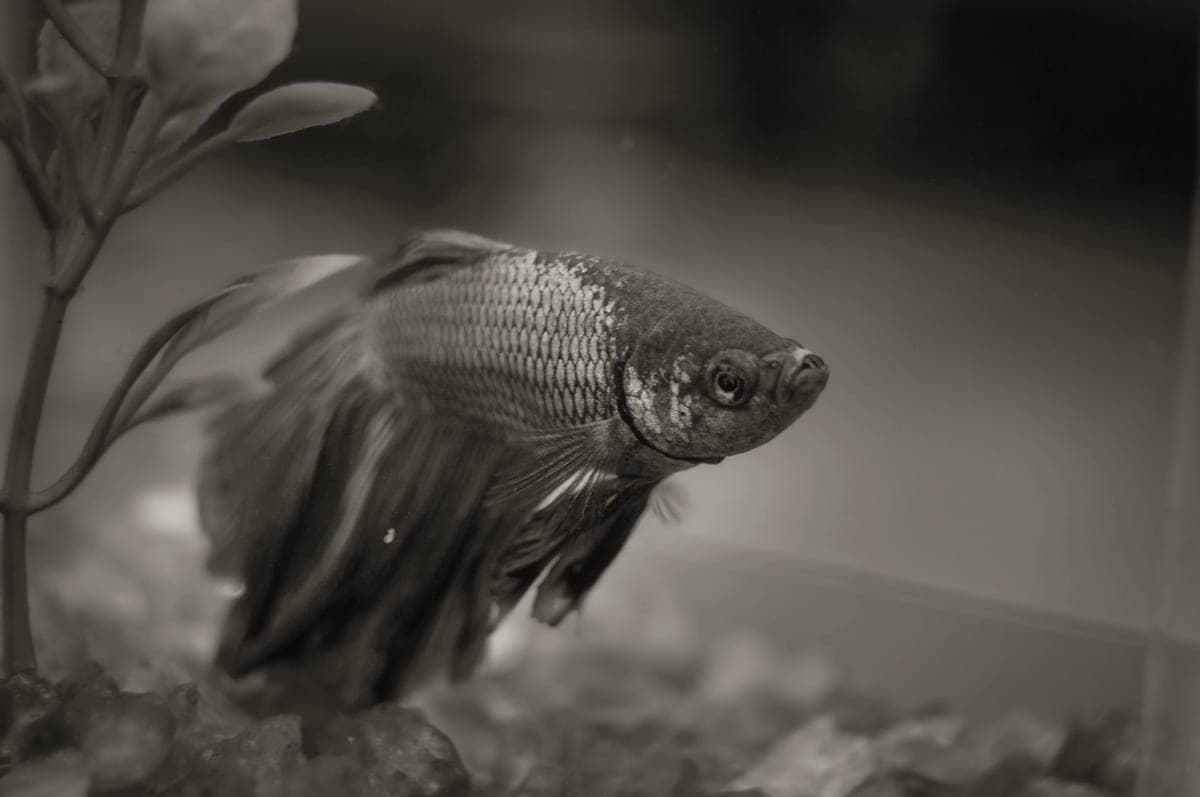
For one betta, buy a rated 5 gallons or more, and prefer length over height. A betta is a horizontal swimmer with a small territory and a labyrinth organ that sends it to the surface to breathe; a tall narrow column gives it a long climb and no room to patrol. The Fluval Spec V is here at the top of the hub for exactly one reason: at 19.5 inches long it is the longest footprint anyone sells at five gallons.
If you can fit ten gallons, fit ten gallons. It is not that a betta needs ten; it is that ten is where tank mates stop being a gamble and where temperature stops swinging every time somebody opens a window. The honest version of the advice is that a 5-gallon is enough for the fish and a 10-gallon is enough for the fish and everything you will want to add later.
There are really three kinds of small tank on sale, and they are not competing with each other.
Bare glass boxes. A tank, a lid, nothing else. Cheapest per gallon by a wide margin, and the right choice if you already know what filter and heater you want. You are buying glass and silicone, and glass and silicone have barely changed in thirty years.
All-in-one kits with a rear chamber. The Spec and Flex families, and their imitators. The pump and media live in a hidden compartment at the back, so the display is clean and there is nothing hanging off the rim. You pay a premium for the design and you lose some display volume to the chamber - the Spec V is 19.5 inches of glass but only rated five gallons for precisely that reason.
Bundle kits. A tank plus a clip-on filter plus a light plus sachets of food and conditioner. These look like the best value on the shelf and usually are not, because the filter is a cartridge design that you rebuy forever and the light is bright enough to grow algae and not much else. The exception is when the bundle is genuinely the cheapest route to a big enough tank - a ten-gallon bundle beats a five-gallon designer kit for a betta every single time.
Not the glass. Low-iron glass, rimless edges and mitred corners cost real money and genuinely look better, but the bulk of the price difference between a $40 tank and a $120 tank is the integration: a hidden filter chamber, a fitted lid, a bonded light. You are paying for the equipment to disappear.
The second driver is the light. A kit that publishes lumens and color temperature - the Spec V publishes 821 lm at 7000 K - is telling you it expects you to grow plants. A kit that publishes neither is telling you the light is decoration.
Buying the kit and assuming it is complete. Not one of the nano kits in this hub ships with a heater, and a betta needs one everywhere in the continental United States. Budget for the tank plus a heater plus a thermometer, and if the kit’s pump is strong - the Spec V’s runs 55-80 GPH into 4.3 gallons of water, which is thirteen to nineteen turnovers an hour against the four we size for - budget for baffling the outflow too. None of that is expensive. All of it is invisible on the shelf.
Nineteen and a half inches of swimming length inside a five-gallon footprint, and every headline figure published - dimensions, pump output, lumens, rated LED life. Nothing else at this volume gives a betta that much horizontal room.
Skip it if: You will not baffle the outflow. At 55-80 GPH into 4.25 gallons of water this runs 13-19 turnovers an hour, three times our 4x target, and a long-finned betta will spend its life fighting it.
Four figures, in this order. Everything else is taste, and we say so rather than dressing taste up as analysis.
1. Actual water volume. Rated volume minus our stated 15%. This is the number every other calculation on the site is built from - the heater wattage, the filter turnover, the dechlorinator dose.
2. Length, not volume. Two tanks of the same rated volume can be a foot apart in footprint. For a betta the long one wins, and it is not close.
3. Whether the flow can be brought under control. A pump that cannot be throttled, aimed or baffled is a permanent problem in a small tank. 4.3 gal of actual water x 4 turnovers an hour is about 17.2 GPH. Past roughly 25.8 GPH you are baffling the outflow or buying a different filter.
4. What the manufacturer is willing to publish. A brand that prints lumens, color temperature, pump output and rated LED life on the product page is a brand you can size equipment against. A brand that prints none of them has decided you should not be able to.
We have not filled any of these tanks, we do not own them, and we have no test bench. So there is nothing here about how the silicone ages, how the pump sounds at 2am, or whether the lid warps. Those are the questions a real long-term test answers, and a site that claims to answer them without doing the work is guessing at your expense. What we do instead is read the published specifications, do the arithmetic they imply, and show the sum.
Betta tanks ranked on footprint length, real water volume and published spec depth. Not one of them includes a heater, and we say so on every entry.
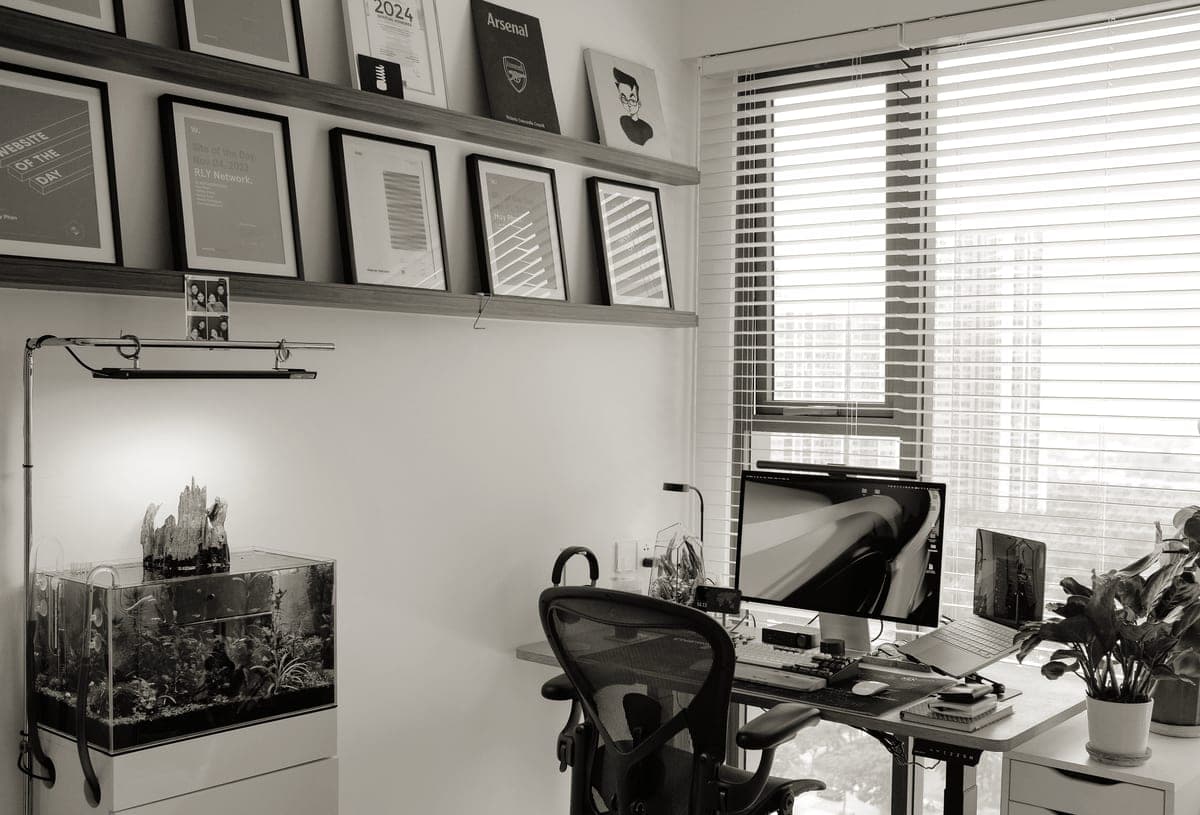
Nano aquariums from 2.6 to 16 gallons ranked on published spec depth and real water volume, with what each size is honestly suited to keeping.
Beginner tanks ranked on how much room they leave for a mistake, plus the complete list of what a kit does not include and what it actually costs.
Length versus volume, flat glass versus curved, single nozzle versus dual outputs - the two Fluval nanos compared on published figures and the arithmetic they imply.
Five gallons is the floor and the reason is buffer, not swimming room. What each volume actually buys you, and the threshold where tank mates become possible.
Every published figure, the real water volume, the heater it needs, and the flow problem - 55-80 GPH into 4.25 gallons - with the ten-minute fix.
Every step from empty glass to a cycled tank, with the heater wattage, dechlorinator dose and turnover target computed rather than hand-waved.

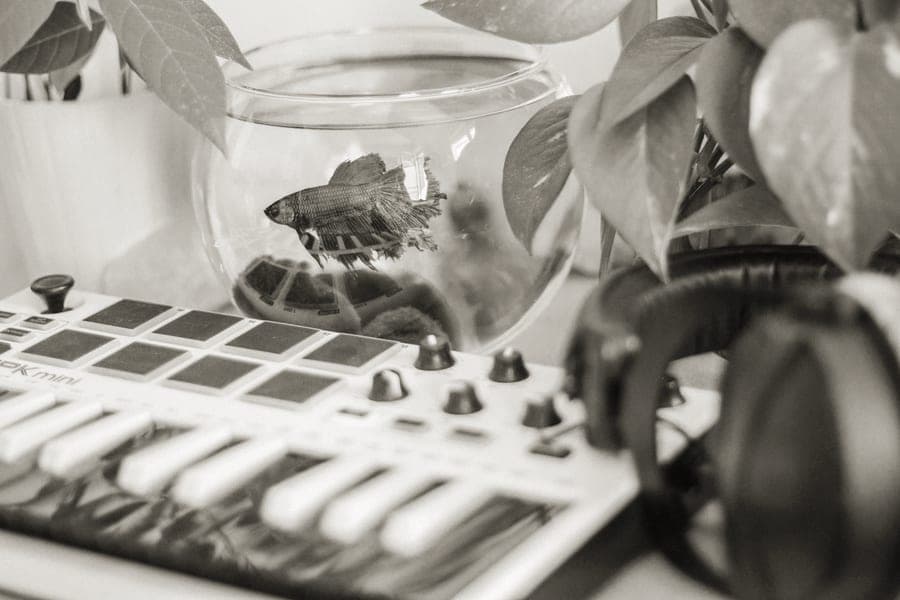
Why the breathing-air argument is true and irrelevant, what a one-gallon bowl actually does over six months, and the cheapest honest fix.
A nano tank is one system, not six purchases. Volume sets the wattage, the wattage sets the heater, the heater and the filter between them set what you can stock, and the plants decide whether any of it stays stable.