01 / Roundup
The best betta food
Betta food judged on protein source and granule size, plus the honest note that guaranteed test results are rarely published on the product page.
A cycled 5-gallon needs about fifteen minutes a week. Getting there takes a month you cannot skip, and that month is where most betta tanks are lost.

Betta care is not hard. It is front-loaded. Almost all of the work, and all of the risk, sits in the first month - before the fish arrives, if you do it properly - and after that a small planted tank asks for about fifteen minutes a week for years.
The thing that makes the first month non-negotiable is the nitrogen cycle. Fish produce ammonia. Ammonia is lethal. Two families of bacteria convert it, first to nitrite (also lethal) and then to nitrate (largely harmless at the levels a betta tank reaches). Those bacteria have to colonize your filter before there is a fish in the tank, and they take three to six weeks to do it. There is no product that removes that wait, including the bottled bacteria we recommend - it shortens the wait, it does not delete it.
A dechlorinator and a liquid test kit. Those two purchases, together under forty dollars, are the difference between keeping a fish and watching one die of something invisible.
Seachem publishes Prime at 5 mL per 50 US gallons of new water, which works out at a fifth of a milliliter for a typical 5-gallon water change - buy a 1 mL syringe, not the cap, because a capful in a nano tank is a ten-times overdose. For testing, buy liquid reagents rather than strips. Strips answer “is it roughly fine”; during a cycle you need to know the difference between 0 and 0.25 ppm of ammonia, and strips cannot tell you.
A 25 to 50% water change, temperature-matched, dechlorinated. A quick siphon through the open substrate - not a deep dig, which just releases everything you were trying to remove. A wipe of the front glass. That is it. Fifteen minutes.
You do not rinse the filter media on this schedule. Media gets rinsed in old tank water, in a bucket, when flow visibly drops - maybe every two or three months. Rinsing filter media under the tap kills the bacteria with chlorine and re-cycles the tank, which is a genuinely common way to lose a fish in month three.
A betta’s stomach is roughly the size of its eye. Feed two or three granules once a day, or a slightly larger meal five days a week. Everything uneaten becomes ammonia in a very small volume of water.
A betta is an insectivore. That is not a marketing angle, it is the reason an insect-based food beats a fish-meal-and-wheat pellet for this species specifically. Whatever you buy, check the granule size - a food the fish physically cannot get in its mouth is just ammonia on a delay.
Reacting to a number instead of a trend. New keepers test daily, see nitrate at 20 ppm, and do a huge water change. Nitrate at 20 is fine. What matters is whether it is climbing week on week, and whether ammonia and nitrite are at zero. Write the numbers down. A tank you have four weeks of readings for tells you what is happening; a tank you tested once tells you nothing.
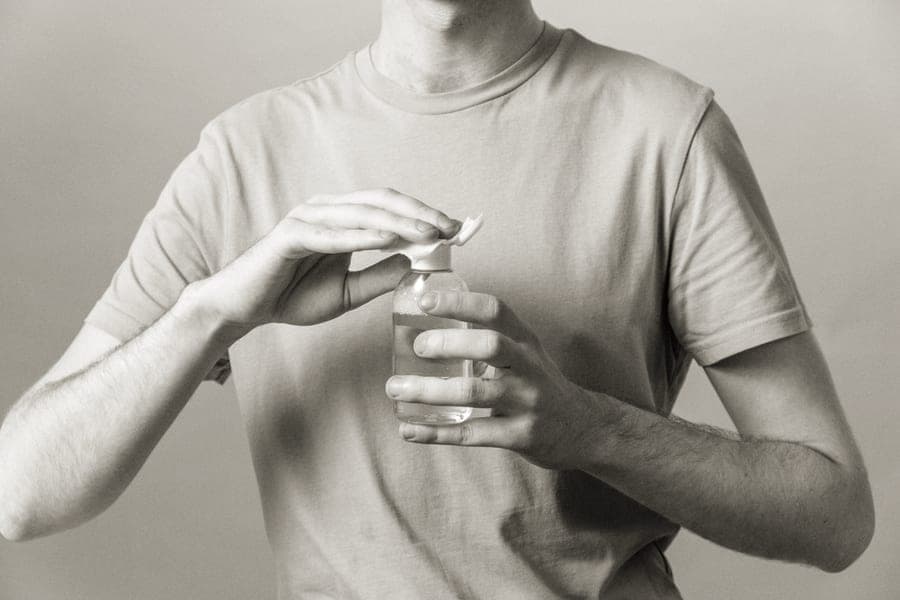
Seachem publishes 5 mL per 50 US gallons, so a 5-gallon water change is a fraction of a milliliter and a 100 mL bottle is hundreds of changes. It also binds ammonia and nitrite, which is what turns a cycling accident into a survivable week.
Skip it if: You need something you can dose by the capful into a nano. At this concentration a capful in a 5-gallon is a ten-times overdose - you are measuring in drops.
Three to five years from hatching is the range generally published, and pet shop fish are typically six months to a year old when you buy them. So two to four years in your tank is a realistic expectation, and a betta that dies at eight months almost always died of temperature, ammonia, or both - not of old age. We go through this properly on the lifespan page, including what the number is actually based on and why the commonly quoted figures vary so much.
How to treat a sick fish. Diagnosis from a description is unreliable, most aquarium medications are sold with no dosing data for a 4-gallon volume, and the difference between fin rot and fin damage is not something a website can establish. Where a symptom has a clear environmental cause - and with bettas it very often does - we say so. Where it needs a diagnosis, we say that instead of selling you a bottle.
We also do not run “best betta medication” roundups, for the same reason. It would be the easiest commercial content on this site to write and we are not qualified to write it.
Betta food judged on protein source and granule size, plus the honest note that guaranteed test results are rarely published on the product page.
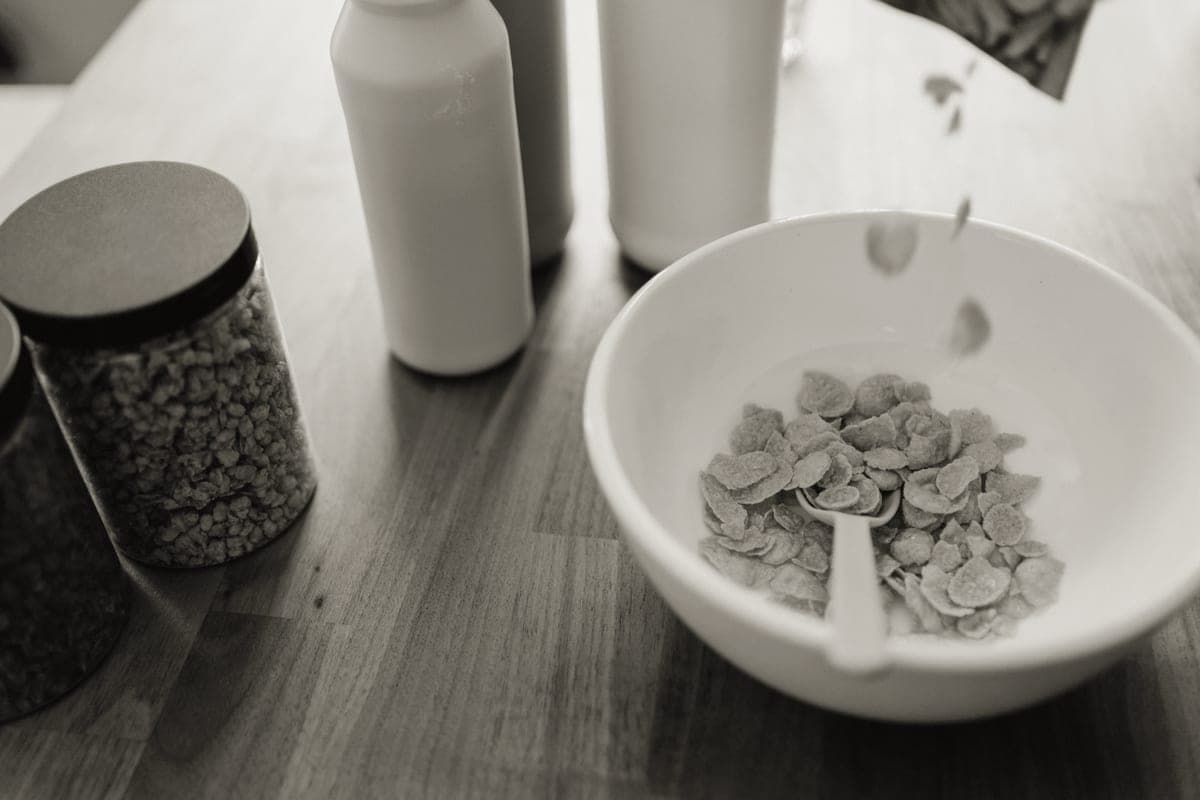
The four food formats compared on portion control, water fouling and suitability for a small upturned mouth, plus the freeze-dried mistake that causes bloating.
The complete practical guide: tank, temperature, filtration, feeding, water changes and the weekly routine, with every figure computed from published data.
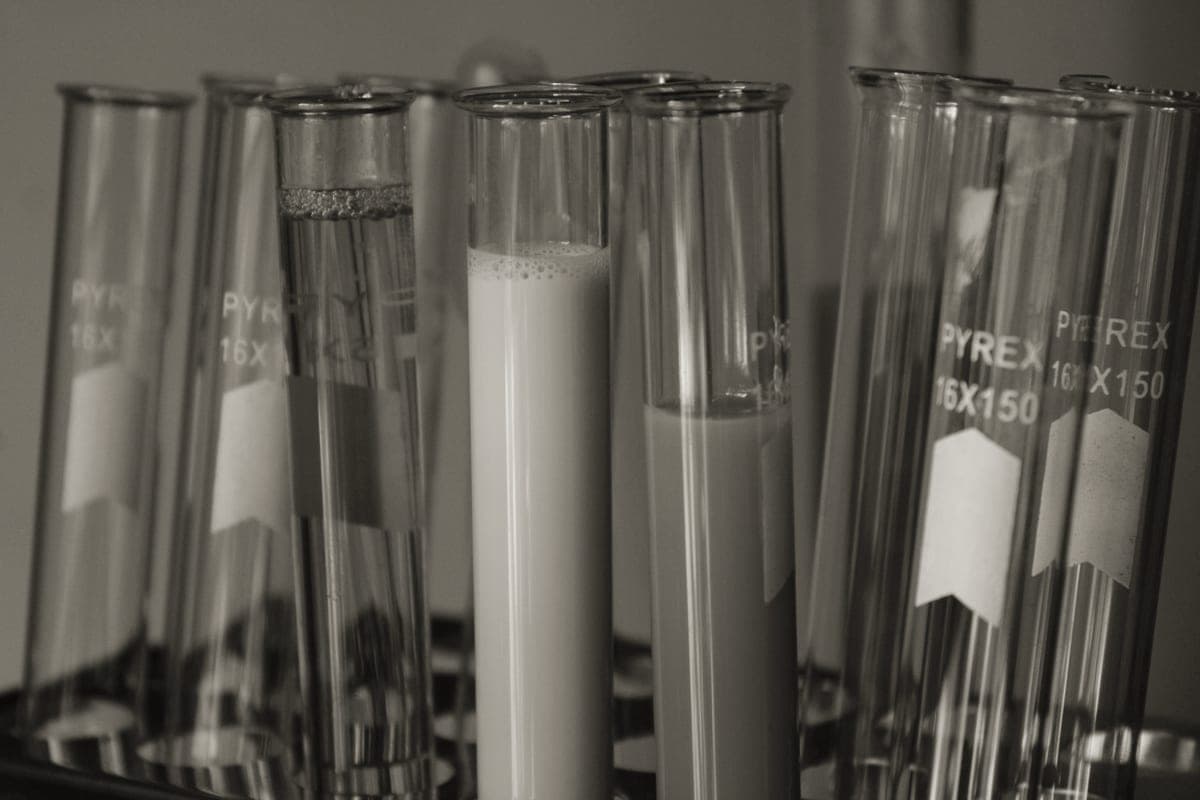
The fishless cycle step by step, with published bacteria dosing converted to nano volumes, the readings to expect each week, and how to cycle with a fish already in the tank.

What to do weekly, monthly and never, with the dechlorinator dose computed per tank size and the common routines that quietly re-cycle a tank.
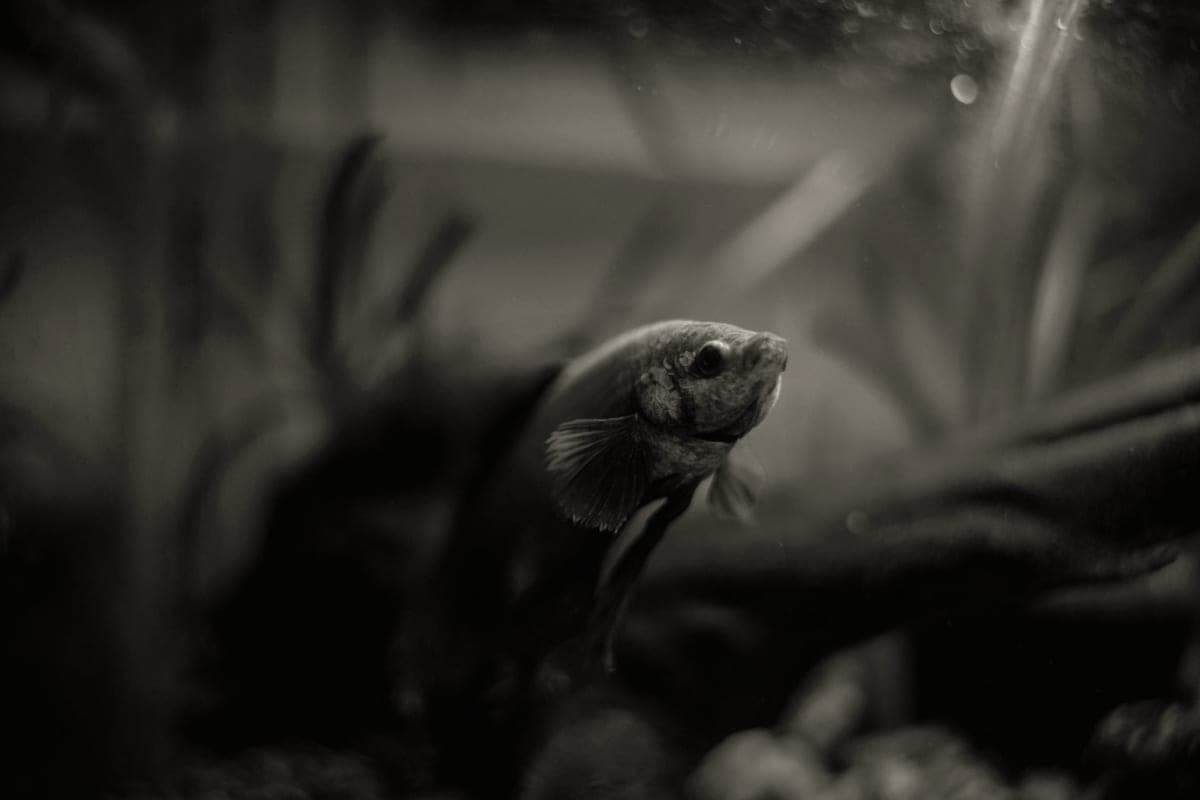
The lifespan figure, why the fish you buy has already used part of it, and the four environmental factors that account for most premature betta deaths.
A nano tank is one system, not six purchases. Volume sets the wattage, the wattage sets the heater, the heater and the filter between them set what you can stock, and the plants decide whether any of it stays stable.