01 / Roundup
The best plants for a betta tank
Low-light, no-CO2 plants with published care figures, why rhizome plants suit a betta tank specifically, and the buried-rhizome mistake that kills both of them.
Almost every plant that works in a betta tank wants low light and no CO2. That is a much shorter and much cheaper list than the hobby usually presents.
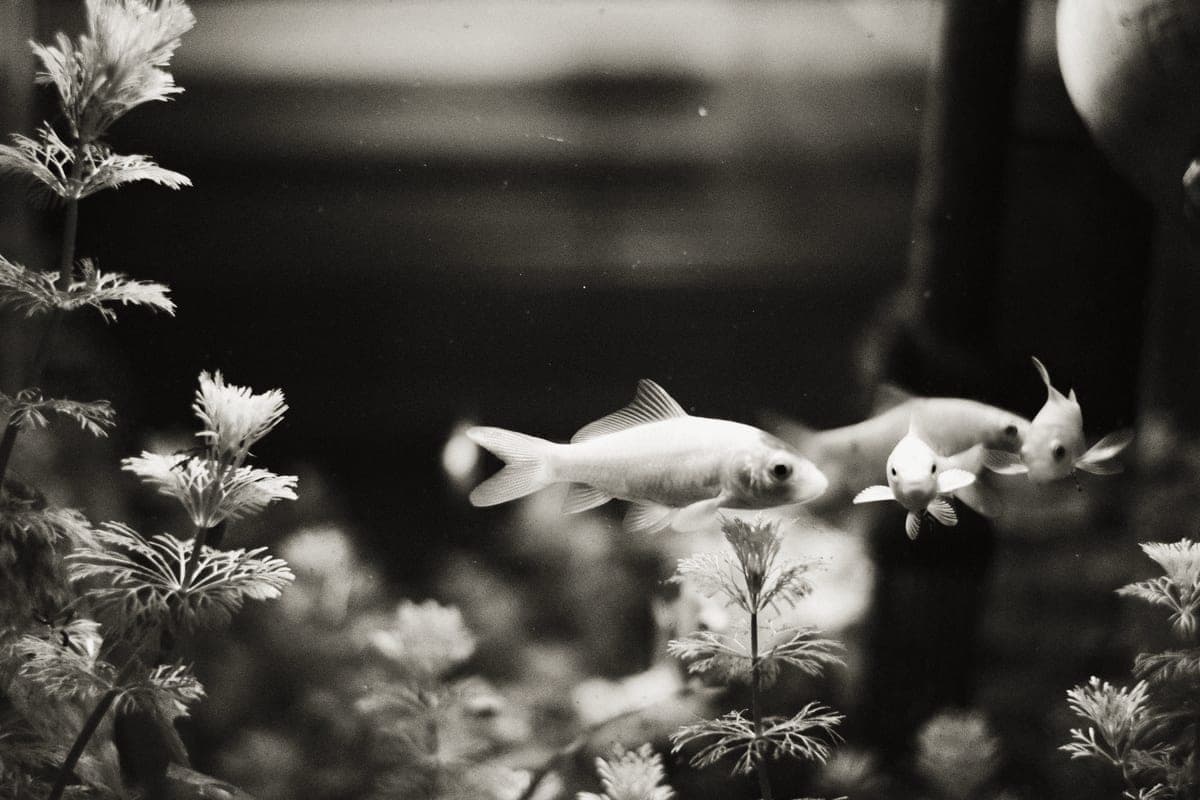
A planted betta tank is easier than an unplanted one, and it is worth saying why before anything else: plants consume the nitrate your fish produces, they break the sight lines that make stocking work, they give a betta somewhere to rest near the surface, and they out-compete algae for the nutrients algae wants. None of that requires CO2, a pressurized cylinder, or a three-hundred-dollar light.
What it requires is picking plants whose published light demand your light can actually meet. That is the entire game, and it is why this hub is organized around light first.
Anubias and java fern, tied to a piece of wood. Both are rhizome plants: they attach to hardscape rather than rooting in substrate, which means you can put them in a bare-bottom tank, a sand tank or a soil tank and they do not care. Aquarium Co-Op publishes Anubias Nana Petite at 10-20 PAR with no CO2 requirement, and java fern at low light with no CO2. Any nano light on the market clears that.
The one thing you must not do with either is bury the rhizome - the thick horizontal stem the leaves come off. Buried rhizomes rot, and this is the single most common way people kill both plants.
Rhizome plants - anubias, java fern, bucephalandra. Attach to hardscape, need no substrate, tolerate almost no light, grow very slowly. The correct default for a betta tank.
Rooted plants - cryptocoryne, vallisneria, swords. Need substrate with something in it, or root tabs. Crypts in particular are superb in a nano and will sulk and melt for a month when you first put them in, which is normal and not a death.
Floating plants - frogbit, red root floaters, salvinia. The cheat code for a betta tank: they shade the tank, they consume enormous amounts of nitrate because they have unlimited access to atmospheric CO2, and bettas build bubble nests under them. The catch is that they block your light, so you plan for that rather than fighting it.
Carpeting plants - dwarf hairgrass, monte carlo. These are the ones in the photographs that made you want a planted tank, and they are also the ones that need high light and usually CO2. In a low-tech nano they will thin out and die back. It is not your fault and there is no fixing it without the equipment.
For substrate, whether it is a soil or a gravel. Soils like Fluval Stratum feed plants at the root and eventually break down. Fired clay gravels like Seachem Flourite never break down and never feed anything - Seachem publishes a full laboratory mineral analysis for it, iron at 4,338 mg/kg, run by the University of Georgia’s chemical analysis lab on a plasma emission spectrometer, which is a level of disclosure nothing else in this hub comes close to.
For lights, whether there is a programmable photoperiod. That is genuinely worth paying for, because a controlled photoperiod is the best algae control there is and it costs nothing to run.
Too much light for too long. Algae is almost never a symptom of a dirty tank; it is a symptom of more light than the plants can use. Eight hours is plenty. If you have algae and healthy plants, shorten the photoperiod before you buy anything.
Aquarium Co-Op publishes the two numbers that decide it: 10-20 PAR of light and no CO2 requirement. It attaches to hardscape so it needs no substrate at all, and its leaves are stiff enough for a betta to sleep on.
Skip it if: You intend to bury the rhizome. Anubias rots when the rhizome is planted, and this is the most common way people kill it.
Whether somebody publishes its light and CO2 requirement. Most aquarium plants are sold with no care data at all. The ones on this site are the ones where a vendor puts a PAR range and a CO2 answer in writing, and we cite it.
Whether it needs substrate. In a nano this is a bigger constraint than light, because substrate is volume you are not filling with water.
Whether it does anything for the fish. Cover, sight-line breaks, a resting shelf near the surface. A plant that is only decorative is still fine; we just say so.
How a plant grows in your water. Hardness, nitrate, light spectrum and temperature all move the answer, we have not grown any of these in a test tank, and the honest position is that published care requirements are a starting point and not a promise. What we do instead is cite the requirement, name who published it, and tell you the failure mode when it is not met.
We also do not link to live plants as an affiliate product where we can avoid it. Plants ship badly, they arrive as a gamble, and a local shop or a specialist plant seller will do far better by you than a general marketplace.
Low-light, no-CO2 plants with published care figures, why rhizome plants suit a betta tank specifically, and the buried-rhizome mistake that kills both of them.
Soil versus fired clay gravel for a planted nano tank, with both makers' published data and the arithmetic for how many bags a 5-gallon takes.
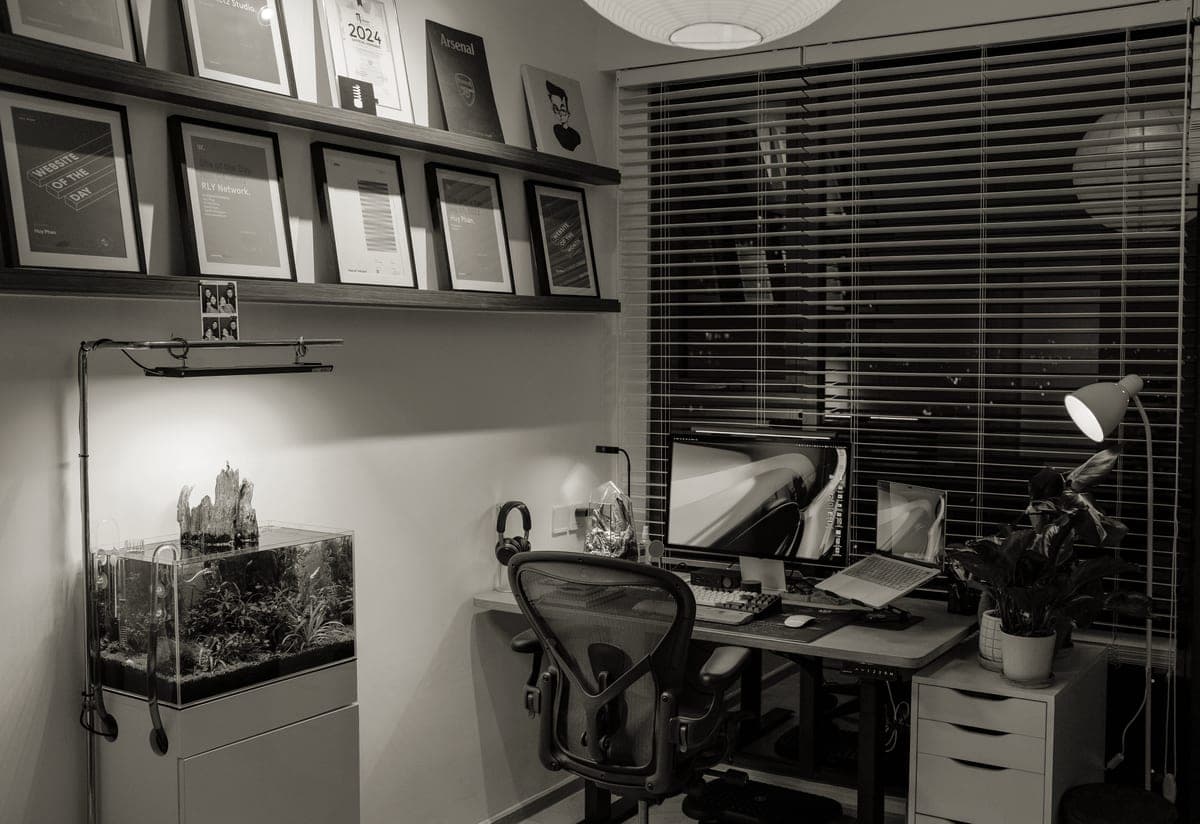
Nano lights ranked on programmable photoperiod and published spectrum, with the honest note that no maker in this category publishes PAR at any depth.
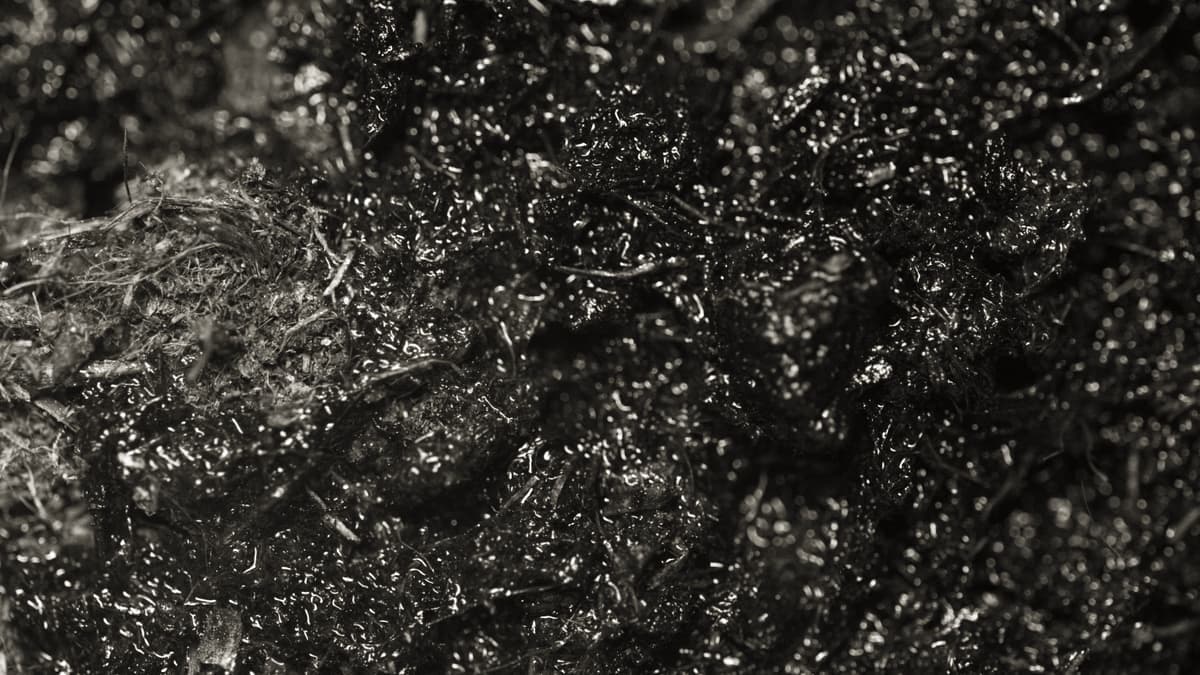
Active soil against fired clay gravel: nutrient supply, pH buffering, service life, the ammonia leach nobody warns about, and which suits shrimp.
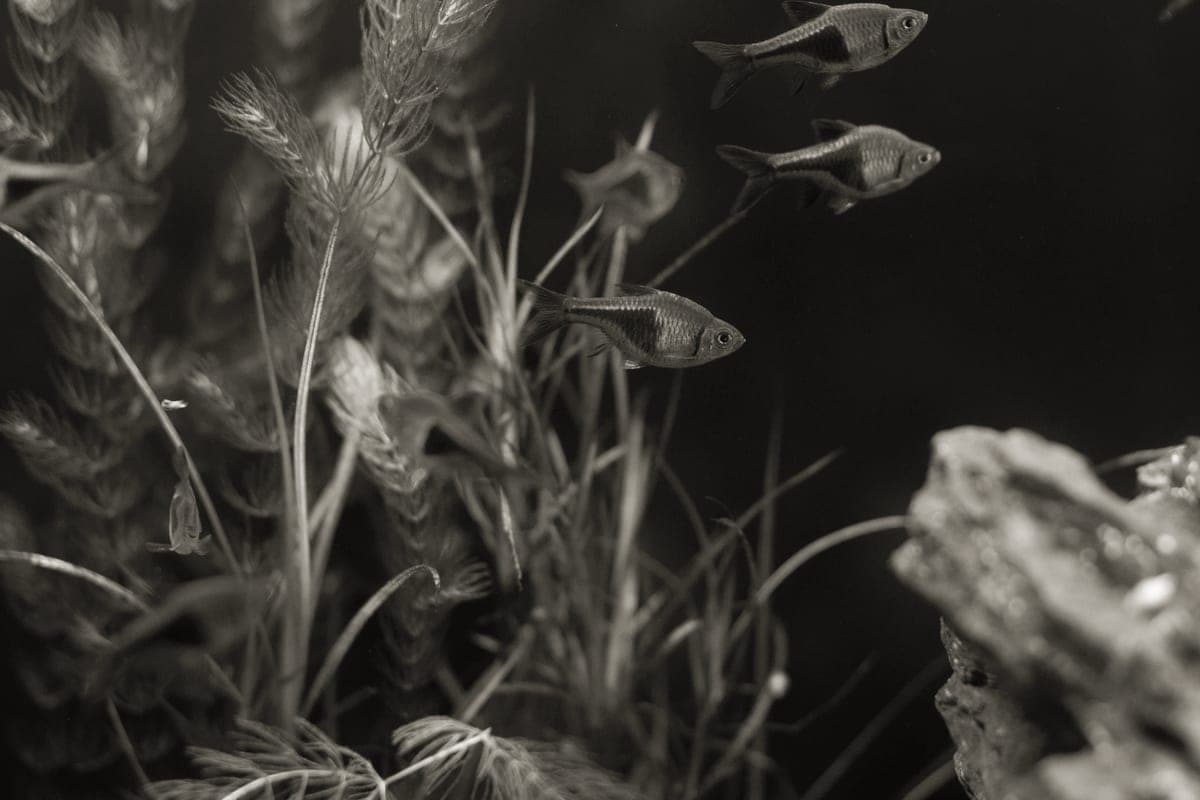
Why plant care data and light specifications are in incompatible units, how to choose anyway, and why photoperiod beats output for controlling algae.
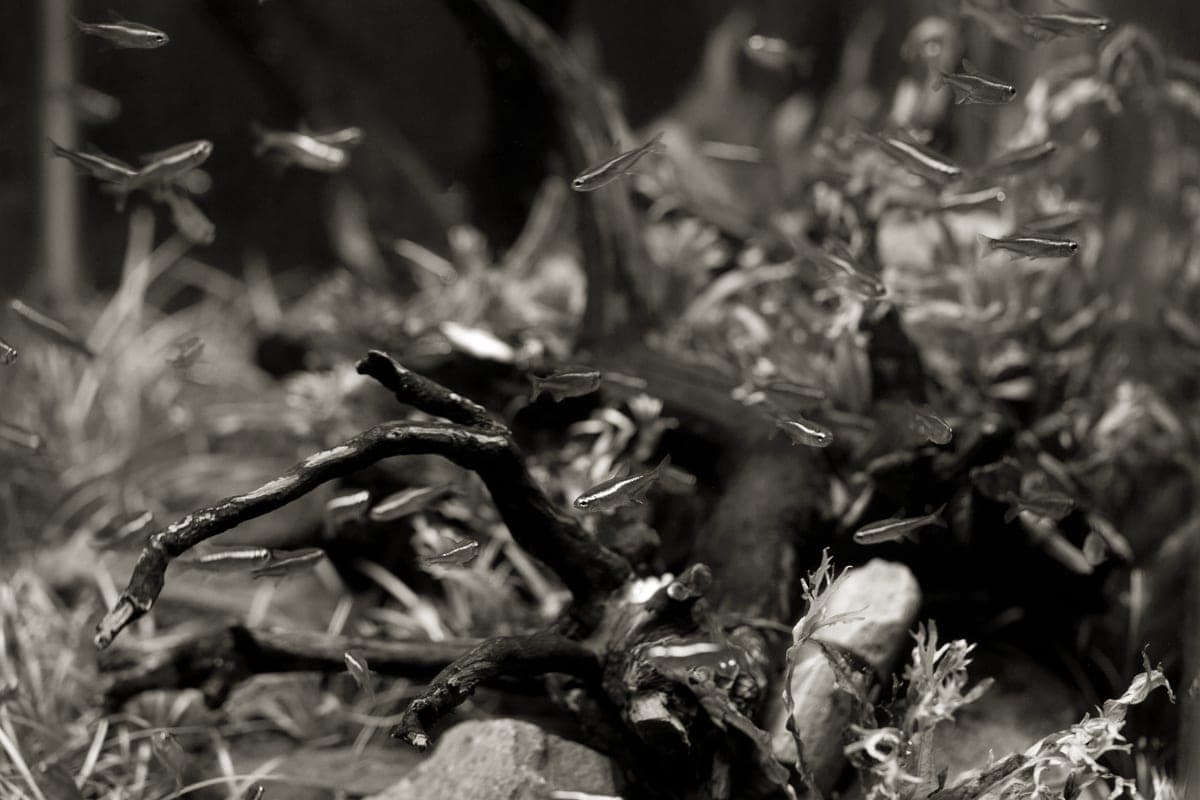
Scaping inside a nano footprint: the depth constraint, the substrate quantity, and building the sight-line breaks that make a betta tank work as well as look right.
A nano tank is one system, not six purchases. Volume sets the wattage, the wattage sets the heater, the heater and the filter between them set what you can stock, and the plants decide whether any of it stays stable.