Aquasoil versus inert substrate
One feeds your plants and changes your water chemistry on purpose. The other does neither and will outlive the tank. The choice is about what you plan to keep.
We earn a commission if you buy through the links on this page, at no extra cost to you. It never changes a ranking, and there are products recommended here with no affiliate link behind them at all. Full disclosure.
The two things that actually differ
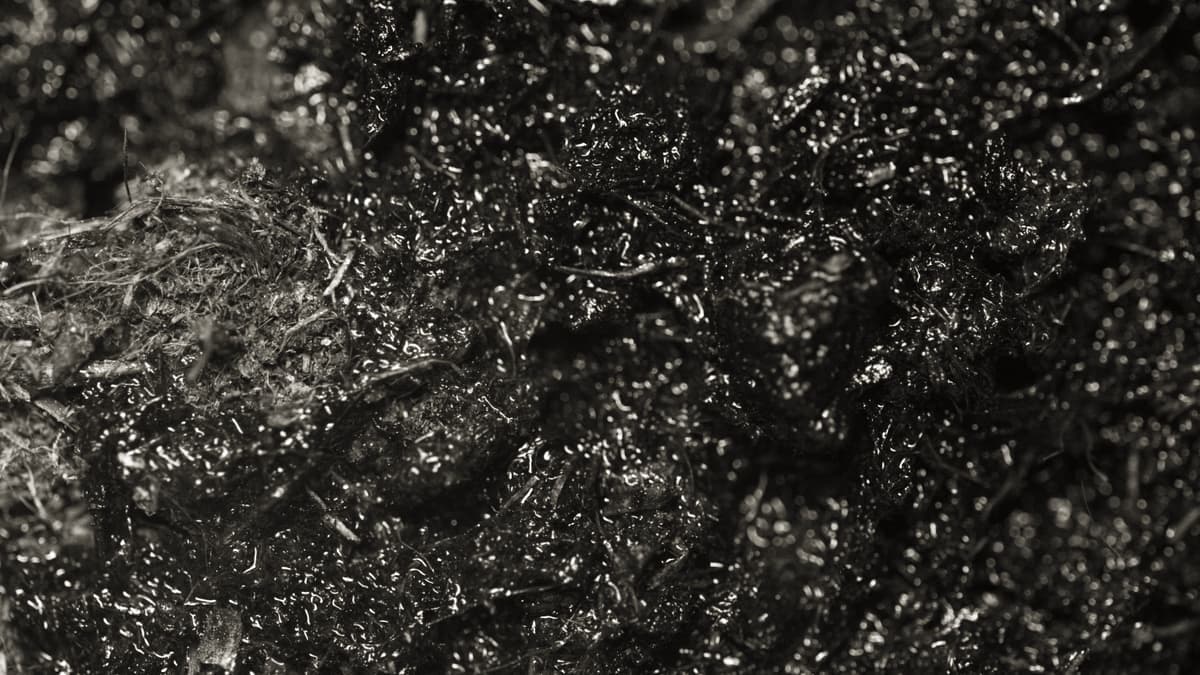
Nutrient supply. An active soil holds nutrients that plant roots draw on directly. An inert substrate holds none - Seachem states Flourite is not chemically coated or treated - so rooted plants depend on root tabs or on what is dissolved in the water.
Chemistry. An active soil changes your water on purpose. Fluval publishes that Stratum supports neutral to slightly acidic pH. An inert gravel changes nothing, and Seachem says so explicitly.
Everything else follows from those two.
Side by side
| Active soil (Fluval Stratum) | Inert gravel (Seachem Flourite) | |
|---|---|---|
| Feeds rooted plants | Yes, from the substrate | No - root tabs required |
| pH effect | Supports neutral to slightly acidic | None, per Seachem |
| Service life | Roughly 2-4 years, faster if disturbed | Life of the aquarium, per Seachem |
| Published composition | Volcanic soil from Mount Aso, no analysis given | Full laboratory mineral analysis with method named |
| Suits shrimp | Yes - soft-water conditions and shelter for shrimplets | Neutral - fine, but does nothing for them |
| Suits snails | Less well - snails want calcium and harder water | Better, since it does not push pH down |
| Survives rescaping | Poorly - breaks down into silt | Indefinitely |
| Published quantity formula | Yes - length x width x depth in cm / 1000 | Yes - an online project calculator |
| Ammonia on setup | Frequently leaches ammonia for the first weeks | None |
The ammonia leach nobody warns you about
New active soils commonly release ammonia for the first two to four weeks. In a fishless cycle that is harmless and arguably helpful - it feeds the bacteria you are trying to grow. In a tank you have put a fish into on day three, it is a serious problem.
This is the strongest practical argument for cycling before the fish arrives when you use a soil, and it is why an inert substrate is the safer choice for somebody who is going to rush the setup regardless.
How to choose
Take the soil if: the tank is planted with rooted species, you are keeping shrimp, you want plants to establish quickly, and you are prepared to cycle properly and to leave the scape alone.
Take the inert gravel if: you expect to rescape, you are keeping snails and want harder water, your plants are rhizome species tied to hardscape that do not use substrate at all, or you want something you will never think about again.
For the archetypal betta tank on this site - a rated 5-gallon, anubias and java fern on wood, a nerite snail - the honest answer is that either works and the substrate is not the important decision. If you plan to add crypts and shrimp later, soil is the better bet.
The capping question
Some keepers cap a soil with sand to stop it clouding. We would not, in a nano. Capping seals the soil away from the water column, which is where much of its benefit is exchanged; it makes replanting messy because the two layers mix; and in a tank this small the depth it adds is depth you are not filling with water. Pick one substrate and run it uncapped.
What we cannot tell you
How long a given bag of soil stays active in your tank. It depends on plant uptake, water change frequency and how much you disturb it, and we have not run either product for years. The two-to-four-year figure is the range generally reported rather than a manufacturer specification, and we flag it as such.
What we would buy for this
Chosen from the same registry as our roundups, on published specifications and the arithmetic they imply - not on testing we have not done.
Fluval Stratum
Volcanic soil from the foothills of Mount Aso, and the substrate we would put in a planted nano. It is a soil, not a gravel: it holds nutrients at the root, it supports a neutral to slightly acidic pH, and Fluval publishes the formula for how much of it you need, which almost nobody else does. It is also soft, light, and it will cloud if you dig in it.
Skip it if: You rearrange your scape often. Stratum breaks down under repeated disturbance and turns into a fine silt that clogs foam.
Seachem Flourite Black Sand
A fired clay gravel, not a soil, and the only substrate in this list whose maker publishes an actual laboratory mineral analysis - iron at 4,338 mg/kg, run on a plasma emission spectrometer by the University of Georgia's chemical analysis lab. It does not alter pH, it never needs replacing, and it will not turn to mud under a replanting. It also will not feed a plant the way a soil does.
Skip it if: You want a substrate that buffers pH down for shrimp. Seachem states plainly that Flourite is not chemically coated or treated and will not alter pH.
Frequently asked
Is aquasoil worth it for a nano tank?
For a planted tank with rooted species, or a shrimp tank, yes - it feeds roots and supports the soft, slightly acidic conditions both prefer. For a tank whose plants are all tied to hardscape, it buys you very little.
Does aquasoil raise ammonia?
New active soils commonly leach ammonia for two to four weeks. That is harmless during a fishless cycle and dangerous if a fish is already in the tank, which is why soil and rushing a setup do not mix.
How long does aquasoil last?
Generally reported as two to four years, shorter if you replant frequently - the grains break down under repeated disturbance and become silt. This is a reported range rather than a manufacturer figure. An inert gravel does not degrade at all.
Can you mix soil and gravel?
You can layer soil under a gravel or sand cap, and we would not in a nano tank - the layers mix as soon as you replant, and the cap seals off much of the soil’s benefit. Pick one.