Skip to content
Glass & Gravel
Roundup

The best betta food

Two things decide a betta food: what the protein is made of, and whether the granule fits in the fish. The second one is where most of the category fails.

By Scooter M., Enthusiast. Published September 1, 2026.

We earn a commission if you buy through the links on this page, at no extra cost to you. It never changes a ranking, and there are products recommended here with no affiliate link behind them at all. Full disclosure.

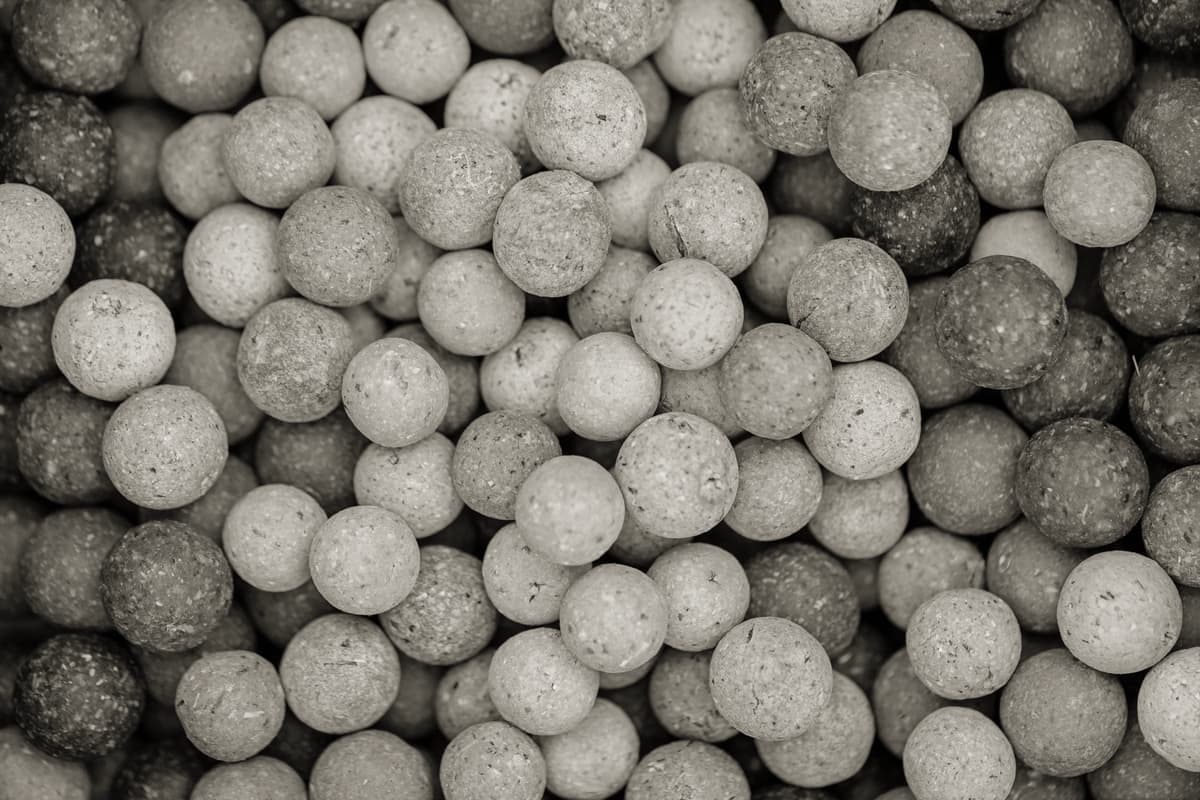
Prepared fish food granules
Quick picks

The shortlist, ranked

Ranked on published manufacturer specifications and, where the figures exist, on the arithmetic they imply for a tank this size. Tap any row for the full write-up, including who should skip it.

#ProductBest forScorePrice
01Prepared aquarium fish food of the type described - a stand-in for the Fluval Bug Bites Betta Micro Granules, not a photograph of this modelFluval Bug Bites Betta Micro GranulesA daily staple that matches what a betta evolved to eatBest daily staple8.5Check price on Amazon

Scores are ours and editorial. They are never published as review or rating markup, because we have not tested these products.

The two things that decide it

What the protein is. A wild betta eats insects and insect larvae. It is not a herbivore and it is not a general omnivore, and a food built on fish meal, wheat and soy is further from what it evolved to process than a food built on insect larvae.

Whether it fits. A betta’s mouth is small and upturned. The single most common food failure is a pellet the fish physically cannot swallow - it takes it, works at it, and spits it out. That granule then becomes ammonia in a very small volume of water.

Everything else - color enhancers, added vitamins, brand - is secondary to those two.

The disclosure problem here as well

We could not read a guaranteed analysis off the product page for the food in this roundup, and that is a genuine gap - protein percentage, fat, fiber and ash are exactly what you would want to compare foods on. It is printed on the tub you receive, which is not much help before you buy.

We record that absence in the specification table rather than reproducing figures from a retailer listing as though they were a manufacturer document. It is also why this roundup is short: we are not going to rank six foods on the strength of their marketing copy.

How much, which matters more than what

Two or three granules once a day. A betta’s stomach is roughly the size of its eye - that is the standard heuristic and it is a useful one, because it is far smaller than any portion that looks reasonable in a hand.

One or two fasting days a week is good practice, not neglect. Bettas are prone to constipation and to the bloating that follows it, and a fasting day gives the digestive tract a chance to clear.

Remove anything uneaten after a couple of minutes. In 4.3 gallons of water there is very little dilution available.

Overfeeding causes three problems at once

An ammonia load the filter has to absorb; constipation and bloating in the fish, which is then frequently misdiagnosed as dropsy; and a pest snail population explosion if any are present, because snail numbers track available food almost exactly.

If your tank has suddenly filled with small snails, you are overfeeding. That is the diagnosis, and removing the snails is not the fix.

A varied diet, done cheaply

A staple granule five days a week, with frozen or freeze-dried food once or twice, is a better diet than any single product. Frozen bloodworm and daphnia are widely available, cheap, and closer still to a wild diet.

Two cautions. Freeze-dried food expands when it rehydrates, so soak it in tank water before feeding or you are putting a dry sponge into a small fish. And bloodworm is a treat, not a staple - it is high in protein and low in almost everything else, and a betta fed exclusively on it bloats.

What we will not tell you

That a particular food produces better color, longer fins or a longer life. Those claims are on most of the packaging in this category, none of them come with published evidence, and demonstrating any of them would require a controlled feeding trial we have not run and cannot run.

What we can say is what the protein is built from, what the granule size is intended for, and what the manufacturer declines to publish. That is the whole method.

Storage, which is not nothing

Fish food degrades. Fats oxidize and vitamins break down within a few months of opening, especially somewhere warm and humid - which describes the shelf above an aquarium precisely. Buy the smallest tub you will use in three months, keep it sealed, and keep it away from the tank. A 30 g tub is many months of food for one betta, so the small size is not a false economy.
The write-ups

Every pick, in full

01 / Best daily staplePrepared aquarium fish food of the type described - a stand-in for the Fluval Bug Bites Betta Micro Granules, not a photograph of this model

Fluval

8.5 / 10

Fluval Bug Bites Betta Micro Granules

An insect-larvae-based granule sized for a betta's mouth, which is the specification that actually matters and the one most betta foods get wrong. A betta is an insectivore in the wild; a food built on black soldier fly larvae is closer to that than a food built on fish meal and wheat.

Check price on Amazon

#ad We hold no verified live price for this product, so we show none. How this site is funded.

Published specifications for the Fluval Bug Bites Betta Micro Granules, with the page each figure was read from
SpecificationValueSource
FormatMicro granules, 1.05 oz / 30 gFluval published product page
Primary ingredient basisInsect larvaeFluval published product page
Guaranteed analysisNot published on the product page in a form we could read off the product page - check the label on the tub you receiveAbsence recorded by Glass & Gravel

What it does well

  • Granule size is genuinely matched to a betta's mouth
  • Insect-based, which is what a wild betta eats
  • A 30 g tub lasts a single betta many months

What it does not

  • Fluval does not publish the guaranteed analysis on the product page
  • Sinking granules are easy to overfeed in a small tank
  • Some bettas simply refuse it

Skip this one if

Your betta already refuses granules. Some individuals will only take a floating pellet, and a food the fish will not eat is just ammonia on a delay.

How it scores, by criterion

Published spec depth5.0
Nutritional match9.5
Pellet size for a betta9.5
Acceptance rate7.5
Value per feeding9.0

How these picks were chosen

Everyone in this category says they tested twenty tanks. We have not tested any, and we say so. What we did instead: read the manuals, compile the published specifications, compute the wattage and the turnover against the tank’s real water volume rather than its shelf label, and show the arithmetic so you can check it.

The full method, including what we refuse to claim.

Questions

Frequently asked

What is the best food for a betta fish?

An insect-based granule sized for a small upturned mouth, fed as a staple with frozen or rehydrated freeze-dried food once or twice a week for variety. A betta is an insectivore, so the protein source genuinely matters.

How much should I feed my betta?

Two or three granules once a day, with one or two fasting days a week. The stomach is about the size of the eye, which is far less than most portions look.

Can bettas eat tropical fish flakes?

They can, and it is a poor staple - most general flake is built on fish meal and plant matter rather than insect protein, and flake fouls the water faster than granules because so much of it drifts uneaten. The full comparison.

How long can a betta go without food?

A healthy adult betta tolerates several days without food, and one or two fasting days a week is good practice rather than deprivation. For a holiday of a week, feeding lightly before you go and again on return is generally better than a vacation feeder block, which dissolves and fouls a small tank.

Why does my betta spit out its food?

Usually the granule is too large. Try a smaller food, or soak the pellets for a minute before feeding so they soften. If it persists across food types, check the temperature - a cold betta’s digestion slows and its appetite goes with it.

Sources

Where the figures on this page came from

  1. Fluval Bug Bites Betta Micro Granules - published product page
  2. Aquarium Co-Op, Betta Fish Care Guide - published temperature and tank-size guidance
Read next