Pellets versus flakes versus frozen
In a tank holding four gallons of water, how a food behaves once it is wet matters nearly as much as what is in it.
We earn a commission if you buy through the links on this page, at no extra cost to you. It never changes a ranking, and there are products recommended here with no affiliate link behind them at all. Full disclosure.
The short answer
Granules or pellets as the staple, sized small enough for the fish to swallow whole. Portion control is exact, they hold together in water, and the uneaten ones are visible and removable.
Frozen once or twice a week for variety. Closest to a wild diet and readily taken.
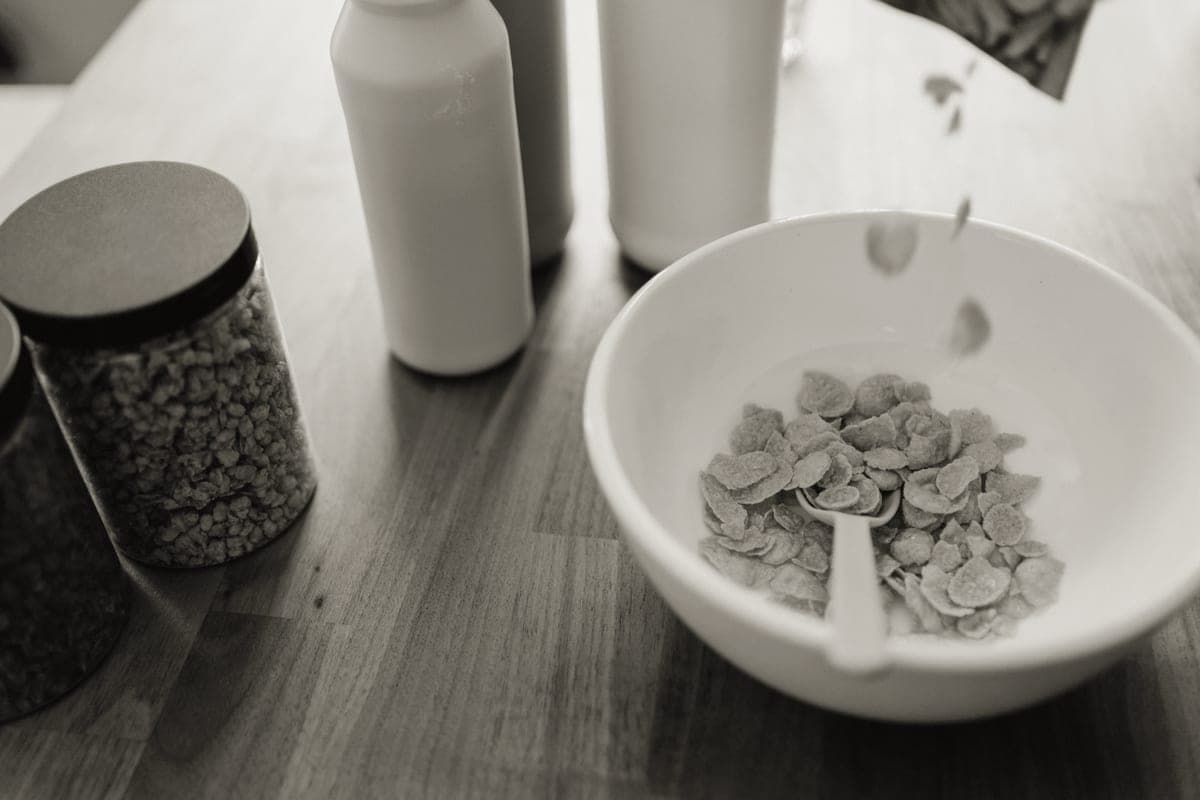
Flakes as a poor staple. They drift, break up and foul water faster than anything else, which matters disproportionately in 4.3 gallons.
Freeze-dried only if rehydrated first. This one causes real harm when it is skipped.
Side by side
| Pellets / granules | Flakes | Frozen | Freeze-dried | |
|---|---|---|---|---|
| Portion control | Exact - you count them | Poor - a pinch is not a measure | Moderate - cube fractions | Moderate |
| Water fouling | Low - holds together | High - disperses and drifts | Moderate - thaw water is dirty | Low if rehydrated |
| Suits a betta’s mouth | Yes, if sized correctly | Yes | Yes | Yes once soft |
| Nutritional completeness | Formulated as a staple | Formulated as a staple | Single-item, not complete | Single-item, not complete |
| Storage | Months sealed | Degrades faster once open | Freezer, months | Long, but goes stale |
| As a staple | Yes | Workable, not ideal | No | No |
Why flakes are worse in a nano tank specifically
Not because the nutrition is worse - a good flake is a formulated staple. Because of what happens to the uneaten portion.
Flake disperses on contact with water. It drifts into the filter, under the substrate, behind the hardscape. You cannot see it, you cannot remove it, and it all becomes ammonia. In a two-hundred-liter community tank that is trivial. In 4.3 gallons it is a meaningful fraction of your weekly nitrogen load.
A granule that the fish does not eat sits on the substrate where you can see it and lift it out with the siphon. That is the whole argument.
The freeze-dried expansion problem
Freeze-dried bloodworm and brine shrimp are dehydrated. Fed dry, they rehydrate in the fish’s digestive tract and expand - which is a genuine cause of the bloating and constipation bettas are prone to.
Soak freeze-dried food in tank water for a minute before feeding. It costs nothing and it removes the problem entirely. This is the single most useful sentence on this page.
Frozen, done properly
Frozen bloodworm, daphnia and brine shrimp come in blister packs or slabs. For one betta you need a fraction of a cube, so break a piece off and return the rest to the freezer immediately - repeated thawing and refreezing degrades it.
Thaw in a small cup of tank water, then feed the food and not the water. The thaw liquid is high in dissolved organics and it goes straight into your nitrogen load for no nutritional benefit.
Frozen is a supplement rather than a staple: bloodworm in particular is high in protein and low in almost everything else, and a betta fed exclusively on it bloats.
What actually decides a betta’s diet
Format is secondary. The two things that matter are the ones in the food roundup: what the protein is built from - a betta is an insectivore - and whether the granule fits the fish.
A well-formulated insect-based granule at the right size, fed at two or three a day with one frozen meal a week, is a better diet than any amount of format optimization.
What we cannot tell you
Which format produces better color or a longer life. Those claims appear on most packaging in this category, none arrive with published evidence, and establishing any of them would need a controlled feeding trial we have not run. Where we cannot know, we say so.
What we would buy for this
Chosen from the same registry as our roundups, on published specifications and the arithmetic they imply - not on testing we have not done.
Fluval Bug Bites Betta Micro Granules
An insect-larvae-based granule sized for a betta's mouth, which is the specification that actually matters and the one most betta foods get wrong. A betta is an insectivore in the wild; a food built on black soldier fly larvae is closer to that than a food built on fish meal and wheat.
Skip it if: Your betta already refuses granules. Some individuals will only take a floating pellet, and a food the fish will not eat is just ammonia on a delay.
Frequently asked
Are pellets or flakes better for bettas?
Pellets or granules, sized to fit the mouth. Portion control is exact and uneaten food stays visible and removable, which matters far more in 4.3 gallons of water than it does in a large tank.
Can I feed my betta only frozen food?
Not as a complete diet. Frozen foods are single items rather than formulated staples - bloodworm especially is high in protein and low in most other things, and a betta fed only on it bloats. Use frozen as a supplement once or twice a week.
Do I need to soak freeze-dried food?
Yes. Freeze-dried food expands as it rehydrates, and fed dry it does that inside the fish - which is a genuine cause of bloating. A minute in a spoonful of tank water removes the problem.
How many pellets should I feed a betta?
Two or three a day for a typical small granule, with one or two fasting days a week. The stomach is about the size of the eye, which is much less than any portion that looks reasonable.