Skip to content
Glass & Gravel
Roundup

The pre-filter sponge, sized to your intake

The cheapest useful thing you can add to a nano filter, and the only hard part is that it is sold by a measurement nobody thinks to take.

By Scooter M., Enthusiast. Published October 17, 2026.

We earn a commission if you buy through the links on this page, at no extra cost to you. It never changes a ranking, and there are products recommended here with no affiliate link behind them at all. Full disclosure.

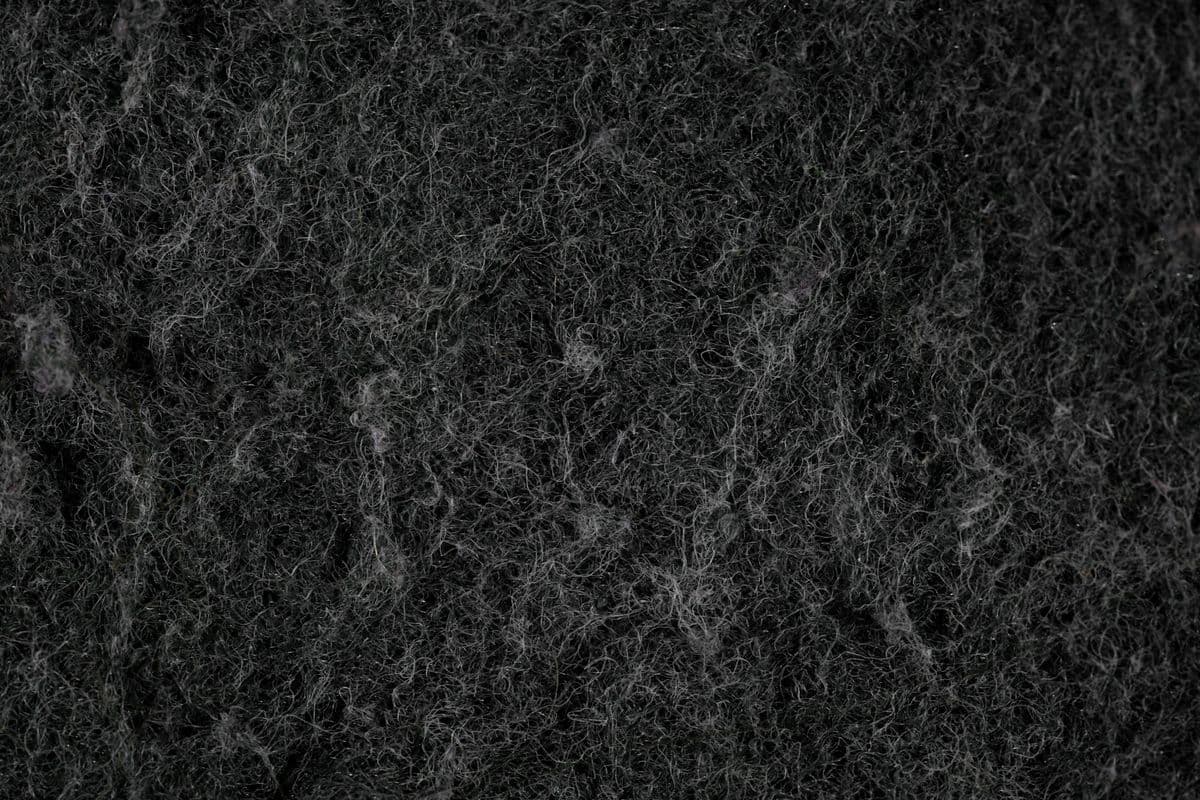
A close-up of black open-cell foam
Quick picks

The shortlist, ranked

Ranked on published manufacturer specifications and, where the figures exist, on the arithmetic they imply for a tank this size. Tap any row for the full write-up, including who should skip it.

#ProductBest forScorePrice
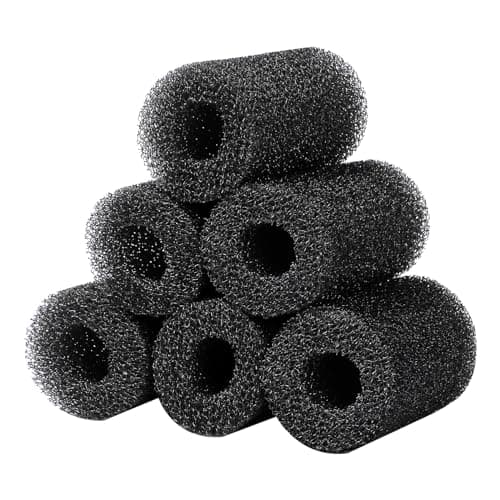
01AQUANEAT Pre-Filter Sponge for 0.8" intake, 6-packAQUANEAT Pre-Filter Sponge for 0.8" intake, 6-packAny impeller intake in a tank holding a long-finned betta, shrimp or snails - and the default on a 5-gallonBest for a standard 0.8" intake8.2$5.98 - View on Amazon
02AQUANEAT Pre-Filter Sponge for 0.6" intake, 6-packAQUANEAT Pre-Filter Sponge for 0.6" intake, 6-packThe narrower intake tubes on small internal filters and slim nano hang-on-backsBest for a narrow 0.6" intake8.0$6.87 - View on Amazon
03Aquarium filtration equipment of the type described - a stand-in for the Nano sponge filter with air pump, not a photograph of this modelNano sponge filter with air pumpA betta tank, a shrimp tank, or a quarantine tank on a budgetBest if you would rather skip the impeller entirely8.1Check price on Amazon

Scores are ours and editorial. They are never published as review or rating markup, because we have not tested these products.

The answer first

Measure the outside diameter of your filter’s intake tube and buy the AQUANEAT sponge in that size. Nothing else about the product matters. It is sold in 0.4, 0.6, 0.8 and 1 inch, six to a pack for about six dollars, and the size is printed in the listing name - which is more than most aquarium products manage about the one dimension that decides whether they work.

0.8 inch fits most nano hang-on-backs. 0.6 fits the slimmer internal filters. Guessing between them is the only way to waste the purchase: a loose sponge slides off within a week and does nothing, and one that has to be stretched on splits at the seam.

If you are buying a filter rather than modifying one, consider a sponge filter instead and skip the problem. A sponge filter has no impeller to guard, which is why it is this site’s default for a 5-gallon. A pre-filter sponge on a sponge filter is a maintenance job with no benefit.

Why this page exists

We recommend fitting one of these in fourteen places across this site - including a callout on the 5-gallon filter page saying a pre-filter sponge is not optional at that size - and until now we never said which one to buy or how to size it. That is the gap this page closes. It is a two-dollar component, and it does three useful things at once.

What it actually does - three jobs, one object

  1. 01

    It keeps fins out of the impeller

    A hang-on-back intake is a slot with suction behind it. A long-finned betta that drifts past gets a trailing fin pulled against the strainer, and on a bad day into it. A foam cover means the suction is spread across the whole surface of the sponge instead of concentrated at a slot.
  2. 02

    It keeps shrimp and snails out of the impeller

    This is the version of the job most people buy it for. An adult amano is usually too big to enter an intake; a shrimplet is not, and neither is a small ramshorn. Our shrimp pages recommend this on every one of them.
  3. 03

    It reduces flow a little, which in a nano tank is usually welcome

    A foam cover is a restriction. On a filter already pushing more turnover than a betta wants, that is a side benefit rather than a cost - though it is not a substitute for a proper baffle, which is a different page.
  4. 04

    It adds a little mechanical and biological filtration

    The foam traps debris before it reaches the cartridge, and colonises with bacteria like any other media. Neither effect is large in a nano tank. Both are free once the sponge is there for the first two reasons.

How to measure, in one minute

The mistake is measuring the filter, or trusting the filter’s model number. What you need is the outside diameter of the intake tube - the plastic pipe that runs down into the water.

  • Unplug the filter first. An impeller that starts while your hand is in the intake is an unpleasant surprise rather than an injury, but unplug it anyway.
  • Lift the intake out and measure across the tube with calipers if you have them, or against a ruler if you do not. You are measuring the widest part of the round tube, not the strainer basket at the bottom.
  • Round to the nearest size AQUANEAT sells - 0.4, 0.6, 0.8 or 1 inch. The foam stretches a little, so nearest is fine; two sizes out is not.
  • If the strainer basket is wider than the tube, as it is on several nano filters, you have a choice: a sponge sized to the tube that sits above the basket, or a larger one pushed down over the basket itself. The second covers more and is the one we would do.

For reference, the filters this site recommends run intakes in the 0.6 to 0.8 inch range, which is why those are the two sizes picked here. At six dollars a pack, buying both and keeping the spare is a defensible way to avoid measuring twice.

What is published, and what is not

SpecificationPublished?Why it matters
Intake diameterYes - in the listing nameThe only dimension that decides fit
Quantity per packYes - 6, also sold as 12These are consumables, not a one-time purchase
Intended useYes - shrimp and fry protectionConfirms the maker means it as an intake guard
Pore size (PPI)NoDecides how fast it clogs and how much flow it costs. Nobody in this category publishes it
Flow restrictionNoA clogged pre-filter is the commonest cause of a filter that was quiet becoming loud
Manufacturer spec pageNo - AQUANEAT serves noneEverything here is read off the retail listing and labeled as such

The pore-size absence is the one with a practical consequence. Without a PPI figure there is no way to predict how often a given sponge needs rinsing, so the honest instruction is behavioral rather than numerical: rinse it when you do the water change, in the bucket of old tank water rather than under the tap, and rinse it sooner if the filter output drops or the motor note rises.

This is not a baffle

A pre-filter sponge restricts flow a little as a side effect. It does not redirect the outflow, which is the thing that actually pushes a betta around a small tank. Baffling the outflow is a separate ten-minute job on the other end of the filter, and a tank with a betta fighting the current needs both.

Maintenance, and the one mistake that matters

A pre-filter sponge is a consumable. It discolors within weeks, which is cosmetic, and eventually the foam perishes and tears, which is not. Six to a pack exists for that reason.

The mistake worth naming: never rinse it under a tap. The sponge colonises with the same nitrifying bacteria as the rest of your media, and in a nano tank that colony is not large enough to lose casually. Chlorinated tap water kills it. Squeeze the sponge out in the bucket of water you have just removed from the tank, put it back wet, and the colony survives the cleaning.

The same logic applies to replacing it. Swapping a matured sponge for a new one removes a working piece of biological filtration from a 4.3-gallon system, which is why the media page argues against replacing anything on a schedule. Replace it when it is falling apart, not when it looks brown.

What we cannot tell you

How much flow it costs you. No manufacturer in this category publishes a pore size or a flow-restriction figure, so there is no way to compute the effect on the turnover arithmetic the rest of this hub is built on. What we can say is the direction - it reduces flow - and that in a nano tank running above the 4x turnover this site targets, reducing it slightly is a benefit.

We also cannot tell you that these are better made than any other foam sleeve on the market. What we can tell you is that they are sold in four published intake diameters covering every filter we recommend, which in a category of indistinguishable unbranded foam is the whole basis for choosing one.

The write-ups

Every pick, in full

01 / Best for a standard 0.8" intakeAQUANEAT Pre-Filter Sponge for 0.8" intake, 6-pack

AQUANEAT

8.2 / 10

AQUANEAT Pre-Filter Sponge for 0.8" intake, 6-pack

Six dollars for six sponges, and the only specification that matters is published right in the name: the intake diameter it fits. That is unusual and it is the whole reason to buy this one rather than a generic roll of foam - a pre-filter sponge that is loose slides off and does nothing, and one that is too tight will not go on. AQUANEAT sells the same sponge in 0.4, 0.6, 0.8 and 1 inch, which covers the intake on every hang-on-back and internal filter this site recommends. Measure the intake tube, not the filter, and buy that number. Nothing else about the product is published, and nothing else needs to be.

$5.98 - View on Amazon

#ad Price as of November 2, 2026, from Amazon. Prices change. How this site is funded.

Published specifications for the AQUANEAT Pre-Filter Sponge for 0.8" intake, 6-pack, with the page each figure was read from
SpecificationValueSource
Intake diameter0.8" - sized to the intake tube, which is the figure that decides fitPublished product listing
Other sizes in the range0.4", 0.6", 0.8" and 1" intakesPublished product listing
Quantity6 per pack (also sold as 12)Published product listing
Published purposeIntake foam cover for aquariums holding shrimp or fry - a physical barrier over the impeller intakePublished product listing
Pore size or flow restrictionNot published on the product page - no PPI figure and no stated effect on flow rate, which matters because a clogged pre-filter is how a quiet filter becomes a loud oneAbsence recorded by Glass & Gravel
Manufacturer spec pageNot published on the product page - AQUANEAT serves no product page; everything here is read from the retail listingAbsence recorded by Glass & Gravel

What it does well

  • Sized by intake diameter, which is the only dimension that matters
  • Four sizes cover every filter this site recommends
  • Six to a pack, so one lives in the tank and the rest replace it
  • Does three jobs at once: fin guard, shrimp guard and a little mechanical filtration

What it does not

  • No pore size published, so the flow restriction is unknown
  • No manufacturer page behind the listing
  • Needs rinsing on the same schedule as the filter or it reduces flow
  • Foam will discolor and eventually perish - these are consumables

Skip this one if

Your filter is a sponge filter. It is already a sponge, and adding another one to it is a maintenance job with no benefit.

How it scores, by criterion

Fit information published9.0
Fin and shrimp protection9.0
Flow data published1.5
Maintenance burden7.0
Value9.5
02 / Best for a narrow 0.6" intakeAQUANEAT Pre-Filter Sponge for 0.6" intake, 6-pack

AQUANEAT

8.0 / 10

AQUANEAT Pre-Filter Sponge for 0.6" intake, 6-pack

The same sponge for a narrower intake, and the reason both sizes are listed here is that guessing between them is the single way to waste the purchase. Small internal filters and the slimmer nano hang-on-backs run intake tubes closer to half an inch than an inch, and a 0.8 sponge on a 0.6 tube drifts off within a week. The procedure is unglamorous and reliable: unplug the filter, lift the intake, measure the outside diameter of the tube with calipers or against a ruler, round to the nearest size AQUANEAT sells, and buy that.

$6.87 - View on Amazon

#ad Price as of November 2, 2026, from Amazon. Prices change. How this site is funded.

Published specifications for the AQUANEAT Pre-Filter Sponge for 0.6" intake, 6-pack, with the page each figure was read from
SpecificationValueSource
Intake diameter0.6" - sized to the intake tubePublished product listing
Quantity6 per packPublished product listing
Published purposeIntake foam cover for tanks holding shrimp or fryPublished product listing
Pore size or flow restrictionNot published on the product page - no PPI figure and no flow effect statedAbsence recorded by Glass & Gravel
Manufacturer spec pageNot published on the product page - read from the retail listing, as with the 0.8 inch sizeAbsence recorded by Glass & Gravel

What it does well

  • Covers the narrow intakes the 0.8 inch sponge falls off
  • Same published sizing logic as the rest of the range
  • Six to a pack at the same price
  • Cheap enough to buy both sizes rather than measure twice

What it does not

  • No pore size or flow figure published
  • No manufacturer page
  • Wrong size by two tenths of an inch is wrong entirely
  • A consumable, not a one-time purchase

Skip this one if

Your intake measures nearer 0.8". A sponge that has to be stretched on will split at the seam and a loose one is no barrier at all.

How it scores, by criterion

Fit information published9.0
Fin and shrimp protection9.0
Flow data published1.5
Maintenance burden7.0
Value9.5
03 / Best if you would rather skip the impeller entirelyAquarium filtration equipment of the type described - a stand-in for the Nano sponge filter with air pump, not a photograph of this model

Generic (multiple sellers)

8.1 / 10

Nano sponge filter with air pump

The cheapest correct answer for a betta, and the one we would fit if we could only fit one thing. A sponge filter has no impeller, no outflow jet and no way to shred a fin. It is also the only filtration in this list that keeps working when the power comes back on after an outage without needing to re-prime. What it does not have is a manufacturer: these are sold under a dozen interchangeable brands with no published specifications at all, and we are not going to pretend otherwise.

Check price on Amazon

#ad We hold no verified live price for this product, so we show none. How this site is funded.

Published specifications for the Nano sponge filter with air pump, with the page each figure was read from
SpecificationValueSource
Flow rateNot published on the product page by any seller in this categoryAbsence recorded by Glass & Gravel
Rated aquarium capacityVaries by seller and is not traceable to a manufacturer document in this categoryAbsence recorded by Glass & Gravel
MechanismAir-lift through open-cell foam; no impellerCategory description
RequiresAn air pump and airline, usually sold separatelyCategory description

What it does well

  • No impeller, so it physically cannot injure a fin or a shrimp
  • Flow is set by the air pump, so it is trivially adjustable with a valve
  • Enormous biological surface for the money
  • Survives a power cut without losing its bacteria to a dry chamber

What it does not

  • No manufacturer, no published specifications, no accountability
  • Air pump noise is a real consideration on a desk
  • Visible black sponge in a small display
  • Zero mechanical polish - the water stays slightly less crystalline

Skip this one if

You cannot live with an air pump humming on your desk, or with a black sponge in the corner of the display.

How it scores, by criterion

Published spec depth1.0
Flow suitability for a betta10.0
Biological capacity9.0
Running cost9.5
Concealability3.5

How these picks were chosen

Everyone in this category says they tested twenty tanks. We have not tested any, and we say so. What we did instead: read the manuals, compile the published specifications, compute the wattage and the turnover against the tank’s real water volume rather than its shelf label, and show the arithmetic so you can check it.

The full method, including what we refuse to claim.

Questions

Frequently asked

Do I need a pre-filter sponge?

If your filter has an impeller and your tank holds a long-finned betta, shrimp or snails, yes - it is a two-dollar component that prevents a specific injury. If you run a sponge filter, no: it is already a sponge, and adding another one is maintenance with no benefit.

What size pre-filter sponge do I need?

Measure the outside diameter of the intake tube and buy that size. AQUANEAT sells 0.4, 0.6, 0.8 and 1 inch; the nano filters this site recommends mostly fall in the 0.6 to 0.8 range. Do not measure the filter body or go by the model number - the intake tube is the only dimension involved.

Will a pre-filter sponge reduce my filter's flow?

Yes, somewhat. No manufacturer publishes a pore size or a restriction figure, so the amount cannot be computed, but the direction is certain. In a nano tank that is usually welcome rather than a problem. If the output drops noticeably over a few weeks, the sponge needs rinsing rather than replacing.

How often should I clean a pre-filter sponge?

Squeeze it out at every water change, in the bucket of old tank water rather than under the tap - tap water kills the bacterial colony living in it. Clean it sooner if the filter output drops or the motor note changes, which is what a clogged pre-filter sounds like.

Is a pre-filter sponge the same as baffling the filter?

No. A pre-filter sponge goes on the intake and protects the fish from the suction; a baffle goes on the outflow and stops the current pushing the fish around. They solve different halves of the same problem and a betta in a nano tank with a hang-on-back usually wants both.

Can I just use any sponge?

A piece of aquarium-grade filter foam with a hole cut in it works, and plenty of people do exactly that. What you should not use is a household sponge - most are treated with antibacterial agents or detergent, neither of which belongs in a tank. At a dollar a sponge, the purpose-made version is not worth improvising around.

Sources

Where the figures on this page came from

  1. Fluval Nano Aquarium Filter - published specifications
  2. Fluval AquaClear 20 Power Filter - published model range
  3. Seachem Stability - published dosing directions
  4. Aqueon, Freshwater Shrimp Care Sheet - published aquarium size, diet and compatibility guidance
  5. Aquarium Co-Op, Betta Fish Care Guide - published temperature and tank-size guidance
Read next